|
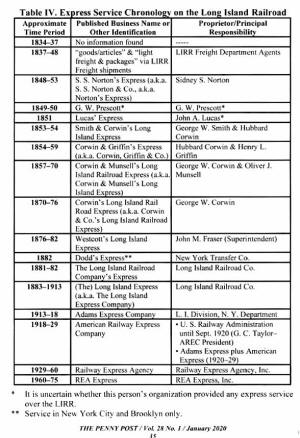 LIRR
Express Service Chronology The Penny Post January 2020 Author:
Bruce Mosher LIRR
Express Service Chronology The Penny Post January 2020 Author:
Bruce Mosher
Baggage house/Express House s were one
structure. The freight house was a separate, independent structure. All
stations that had agencies had baggage/Express House s.
Baggage was considered what riders carried . . i.e. suitcases,
steamer trunks, etc. Express was like what UPS delivers today. Today's
"Brown" was yesterday's "Green". Not all stations
handled freight. If they did
not handle freight, they did not have a freight house.
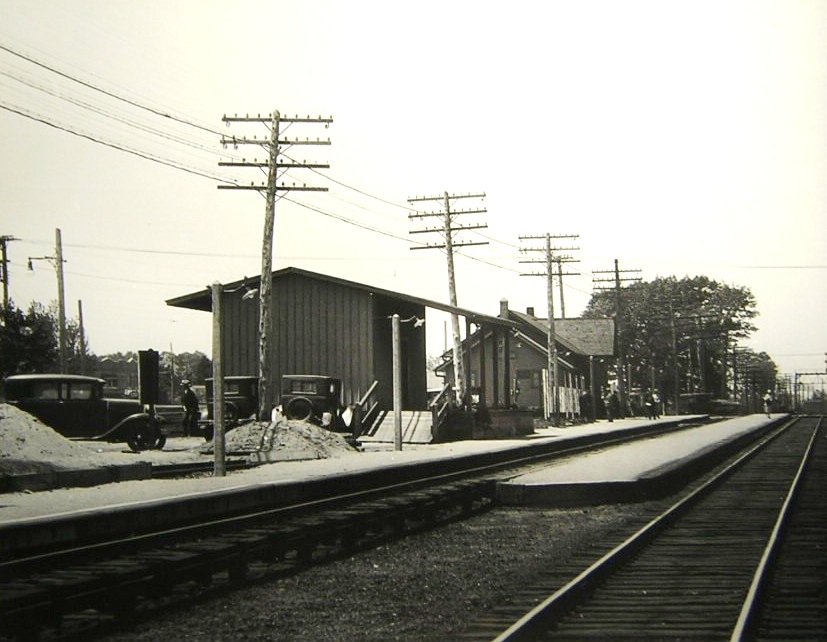
Also, the baggage/Express House s were
located at the extreme ends of the platforms, as the
baggage/express/combine cars were located directly behind the tender of
the locomotive or were the lead car behind the diesel and when the train
made the station stop, these cars were able to be spotted exactly in front
of the baggage/Express House s or elevated platforms.
The freight houses, while they COULD
be near the depot as in the case of Patchogue (west of Railroad Ave, north
of the tracks), they were usually located some distance away, where the
team tracks were located. Some
freight houses were quite a distance away from the depot, as was Lynbrook,
Babylon, Floral Park, Oakdale and Huntington for examples.
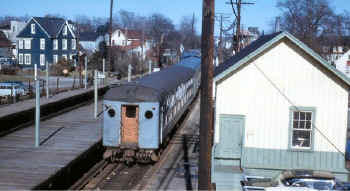
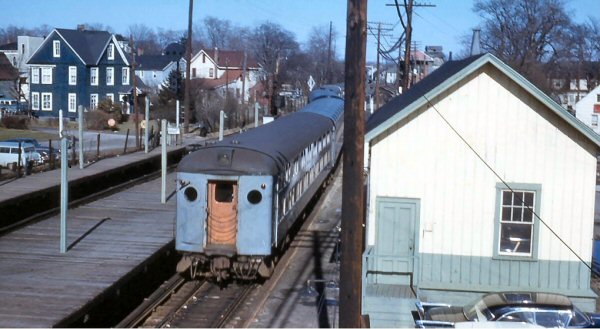
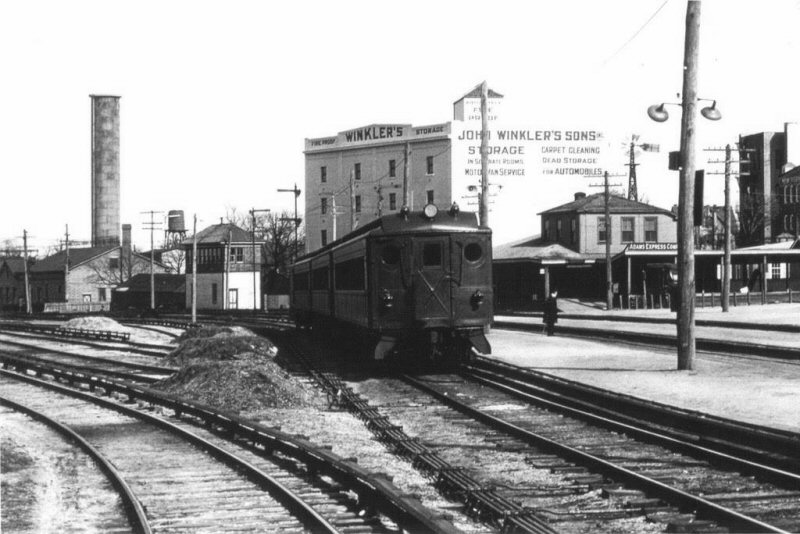
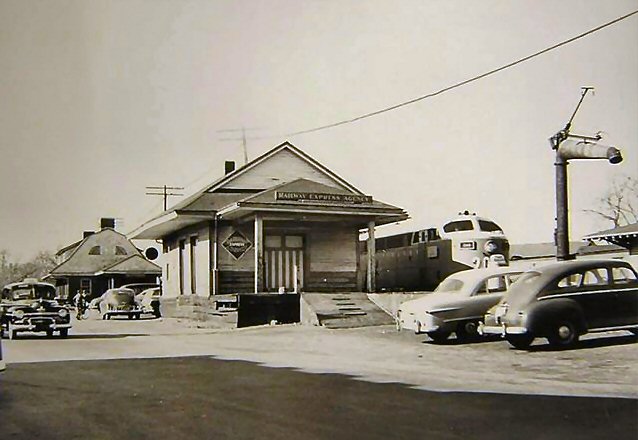
MU Train at Express House Babylon 3/22/1959
The express business was handled by
the LIRR's representative a.k.a. "Agent" at small stations, such
as Medford, Central Islip, Ronkonkoma, Centre Moriches, Speonk, etc., etc.
These men were paid a little extra per hour for handling the
express business. All LIRR agencies handled passenger's baggage.
Again, baggage defined as luggage, suitcases, steamer trunks, etc.
The express business at larger
locations, such as Patchogue, Westhampton, etc. had their own express
company representatives to handle the express as it was a full-time job at
those locations with items coming in and being loaded on the trucks for
town delivery and people coming in to ship stuff out. The express business
was initially operated by the LIRR and by the private roads as well, such
as the Flushing and North Side RR., South Side RR, etc.
(Dave
Keller info)
The
following was written by Mr. Reifschneider in 1925, prior to the advent of
the
American Railway Express and the Railway Express Agency:
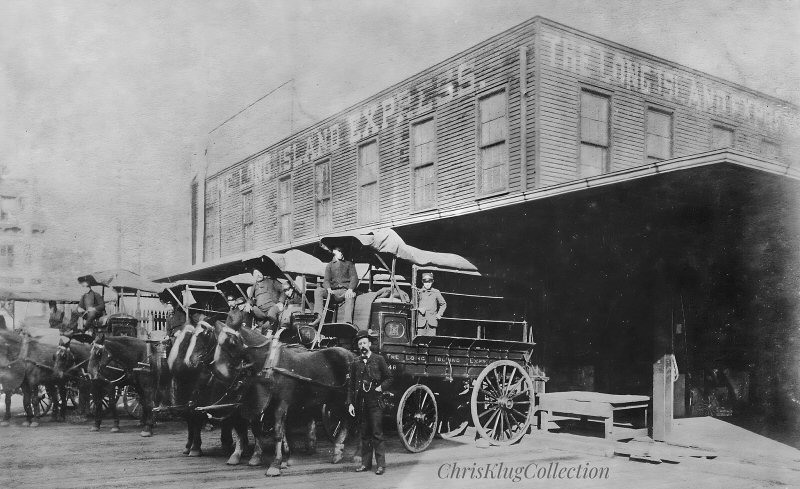
The Long Island Railroad had always
conducted its own express business under the name of the Long Island
Express Company. In 1913, it surrendered this privilege to the Adams
Express Company, which has recently been absorbed by the American Railway
Express Company. This gave the Long Island advantages of through express
service, which it had previously been impossible to obtain with the local
express company. From Felix
Reifschneider's LIRR history - 1925
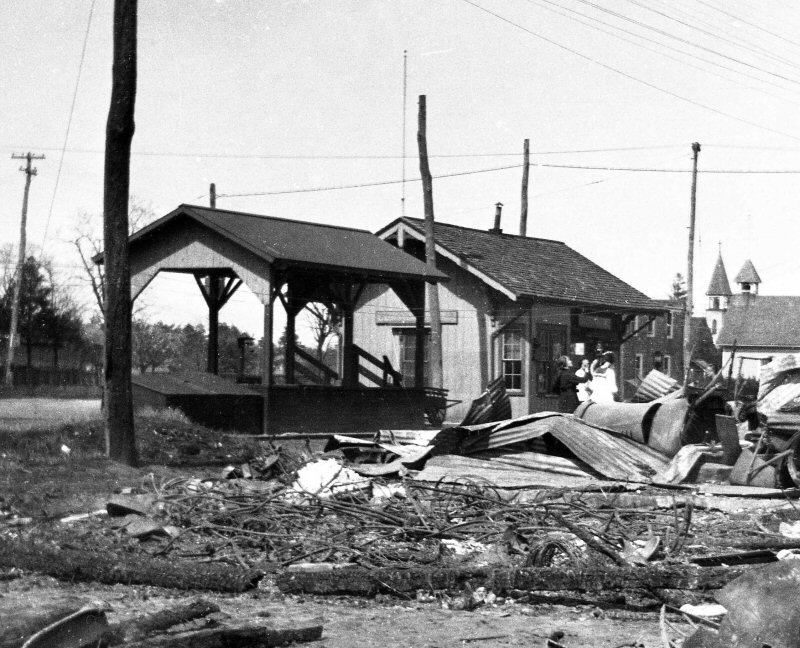
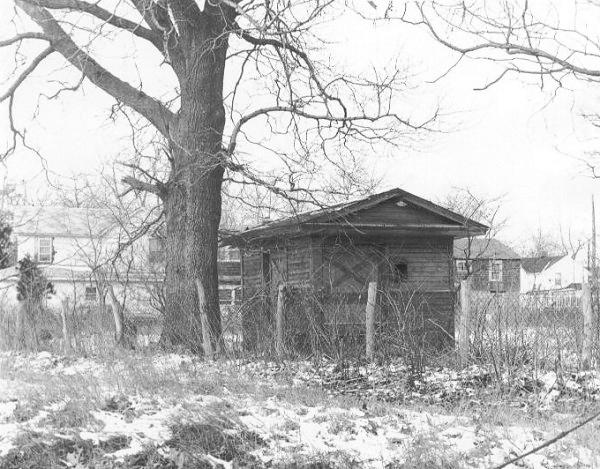
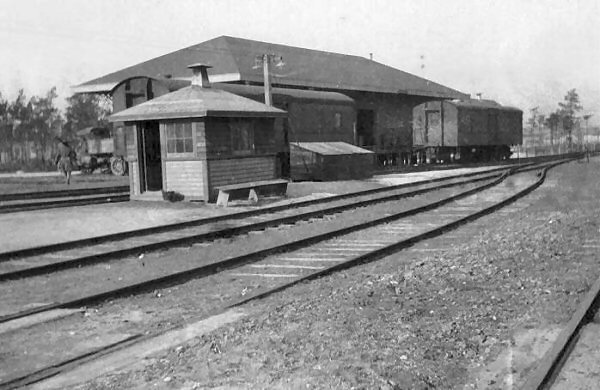
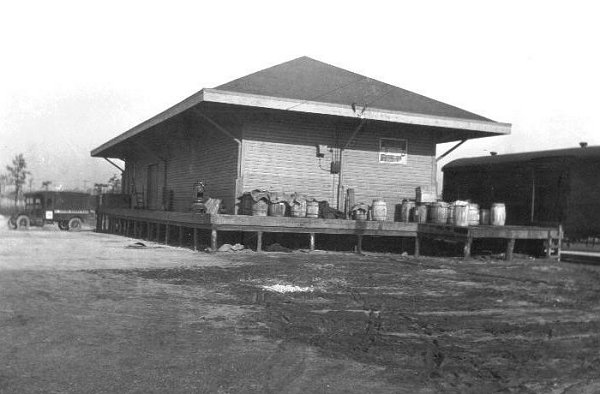
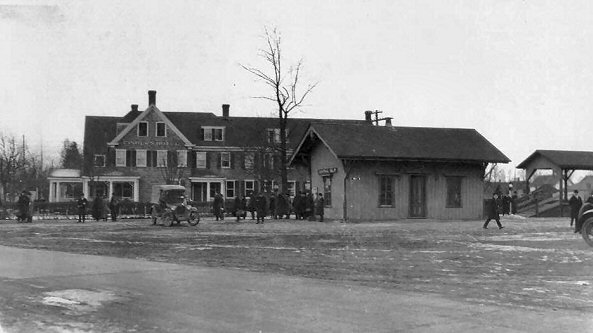
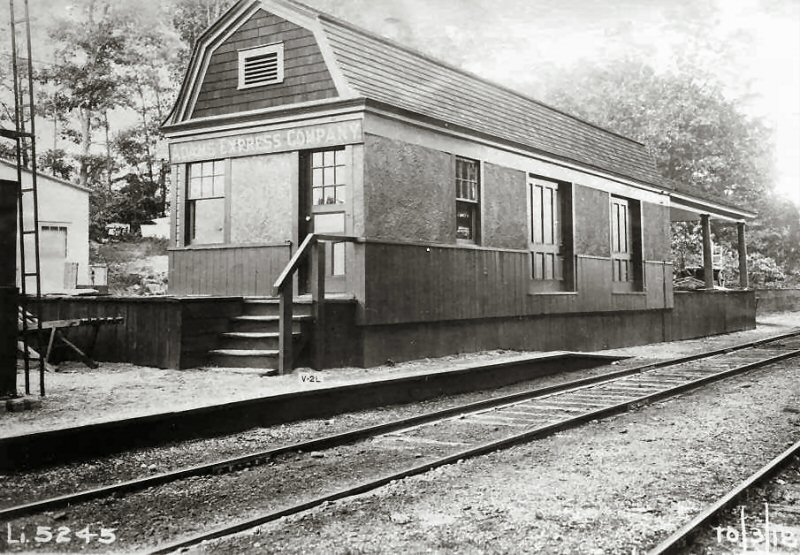
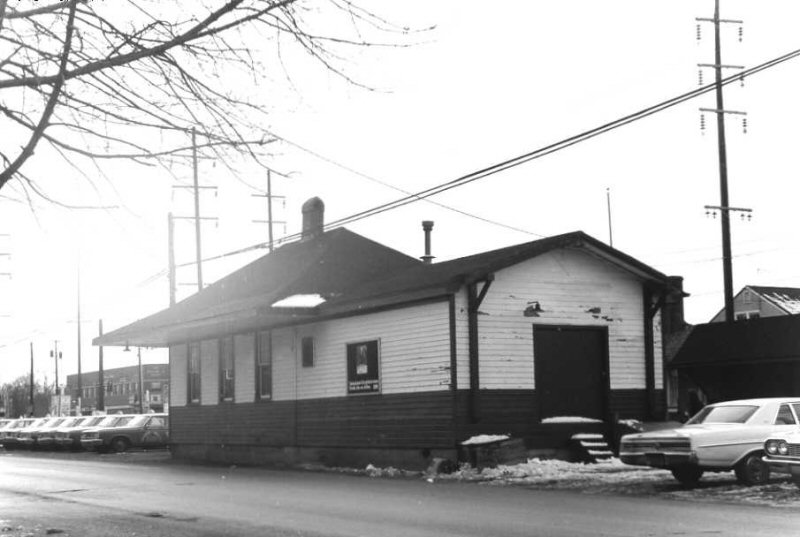
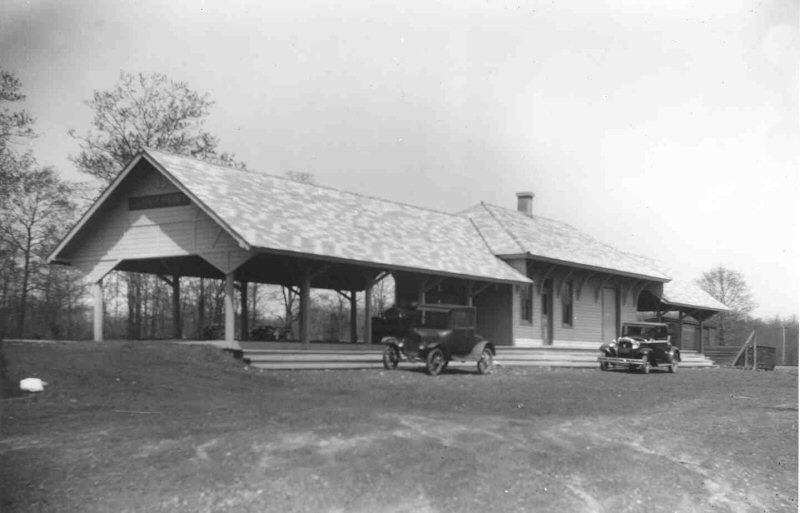
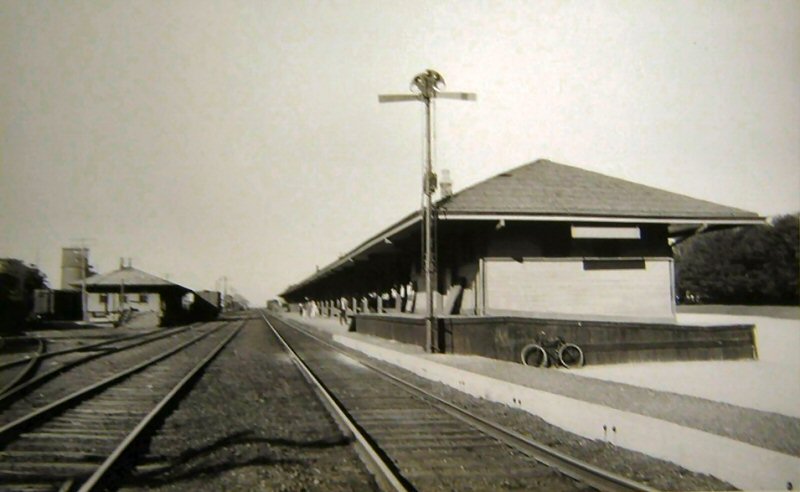
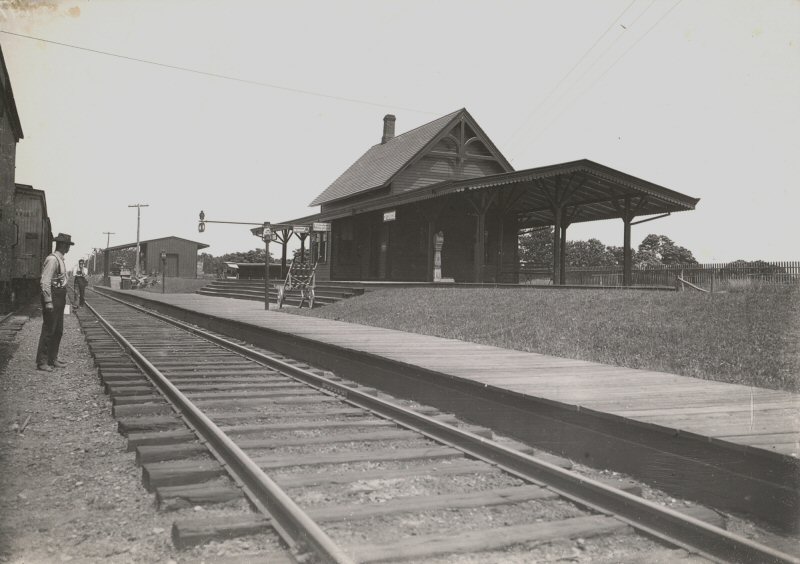
Other structures were unique to the railroad architecture. Express House
s were usually open platforms. Later
a roof was added but it was still an open, windswept platform.
Still later, walls and a sliding door were added and a conventional
"box" structure was now in place at the eastern and western ends
of the platforms albeit some structures were larger than others and some
had larger westbound structures than they had eastbound, because more
stuff was shipped off the island rather than on.
While many of these looked the same, there were those that were
unique, such as at Patchogue, Huntington (which had a Dutch
Colonial/gambrel roof to match the 1910 station), Speonk, Oyster Bay, to
name but a few. Research: Dave Keller
|
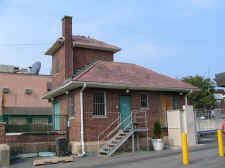
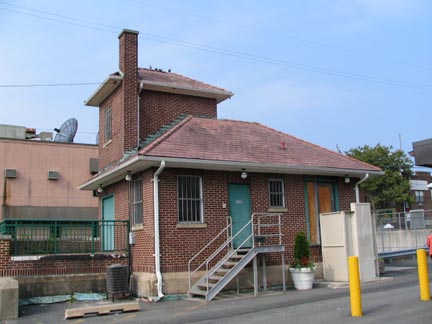
Bayside, vacant, mid-1990's
Photo: Kevin Walsh
Goods were unloaded on the
platform and onto an elevator within the building and unloaded on 41st
Road.
|
Note: Bayside's freight house, for
example, was at grade east of the station plaza where the team tracks were
located. Ditto for Lynbrook,
Valley Stream, etc. Ditto for Lynbrook, Valley Stream, etc. Freight needed
a means to be off-loaded which meant at structure at grade and nearby the
team tracks.
The brick structure shown at Bayside
with elevator accessing the sub-grade station platform was for lowering
and raising customer's baggage to and from trains.
Perhaps express items as well.
Ditto for the elevator shaft visible for many years above the
elevated Valley Stream station . . . used for baggage and some express.
(Dave
Keller info)
|
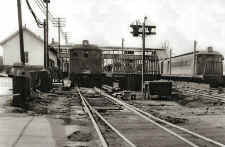
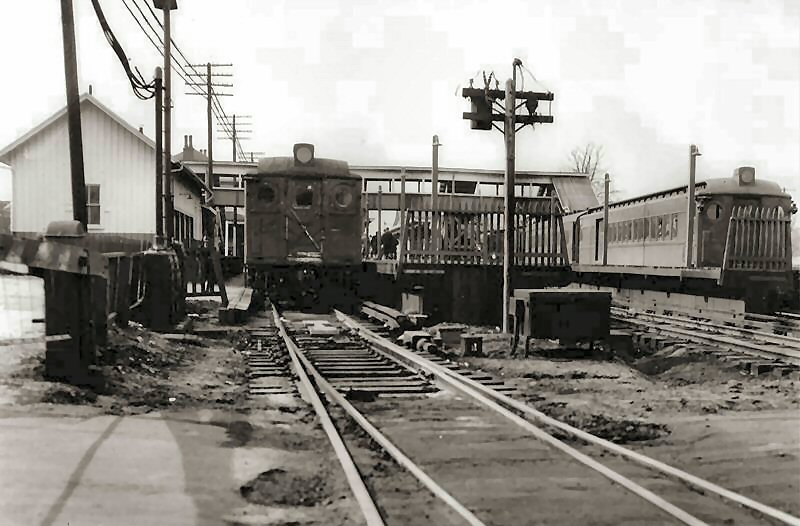
Eastbound Express House at Babylon
– 1947 View W towards station facilities Photo/Archive: James Gillin |
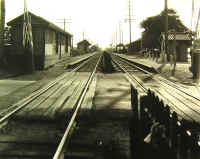
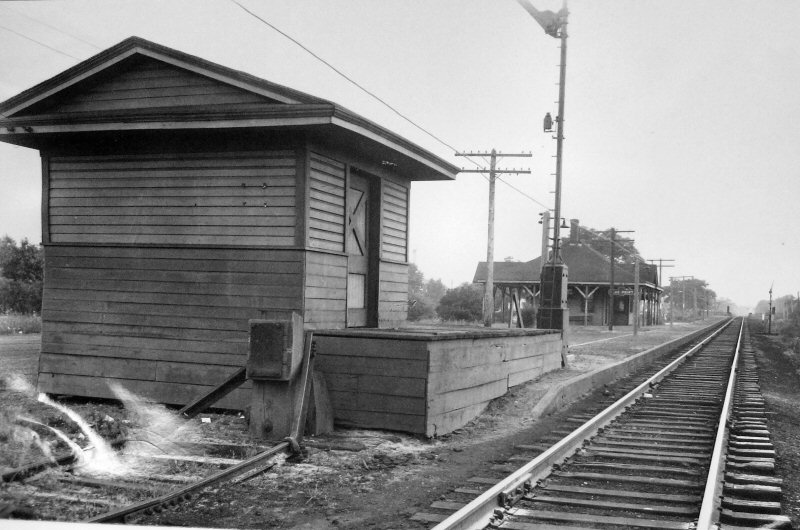
Bellmore Express House view W 1932
|
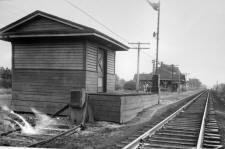
Express House - Station view W c.1950
Archive: Emery SUNY Stony Brook |
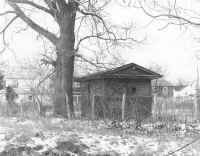
Bluepoint Station - Express House
1972 Photo/Archive: Dave Keller
|
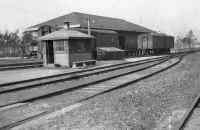
Camp Upton Express House 1918
|
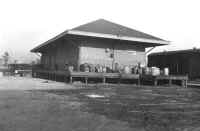
Camp Upton Express House
1918
|
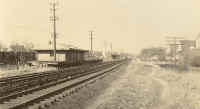
Cedarhurst freight Express House
1939 (SSRR ROW at right)
|
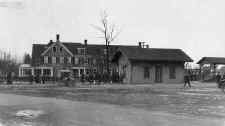
Central Islip express platform open to the elements and thievery
c.1920. Older images of CI show an enclosed building, but sometime
between 1895-1916 it was torn down and replaced with the open-air
structure. George G. Ayling photo, Dave Keller archive
|
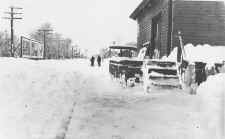
At Central Islip, there was an open express platform with roof at each end of the
station platform. Both were later enclosed. But . . . the freight house was located behind of and west of the
depot at the team track, almost adjacent to Suffolk Avenue, quite a
distance north of the Main.
New enclosed Express House view W Freight house in background
and set back to allow contact with the team track. c.1935 George G.
Ayling photo, Dave Keller archive
|
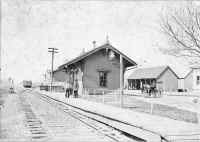
Central Islip station, Express House behind - Agent Frank Kelly c.1895
|
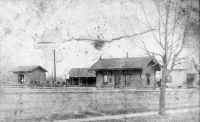
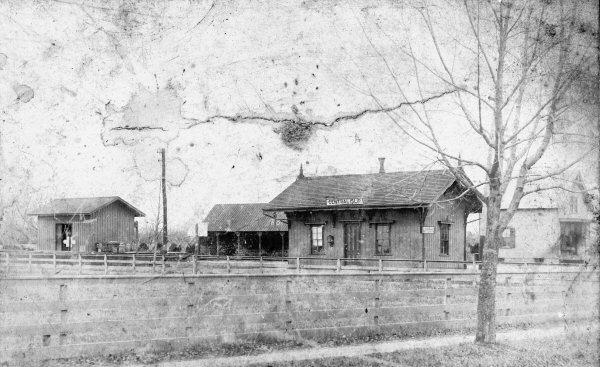
Central Islip station, Express House left c.1885
|
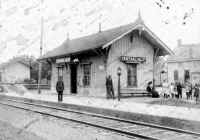
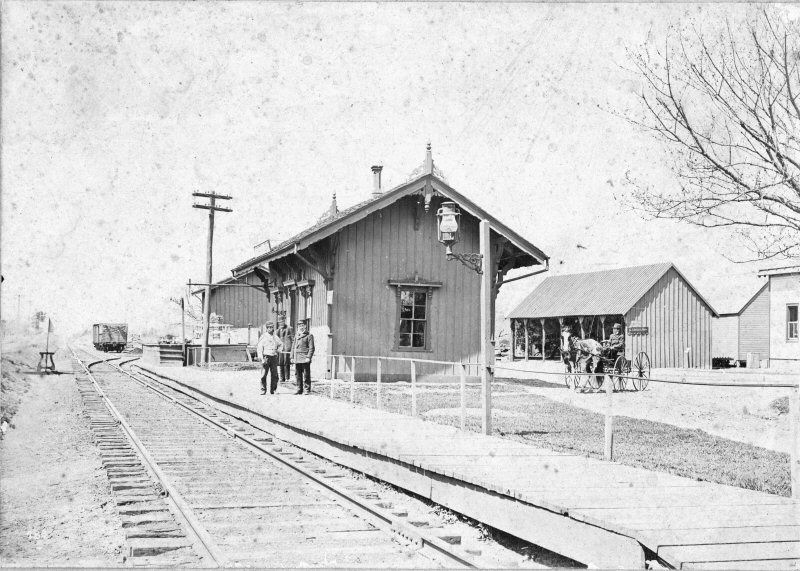
Central Islip station, Express House in rear - Agent Frank Kelly c.1910
|
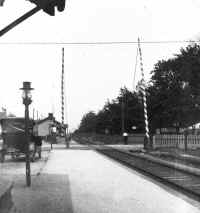
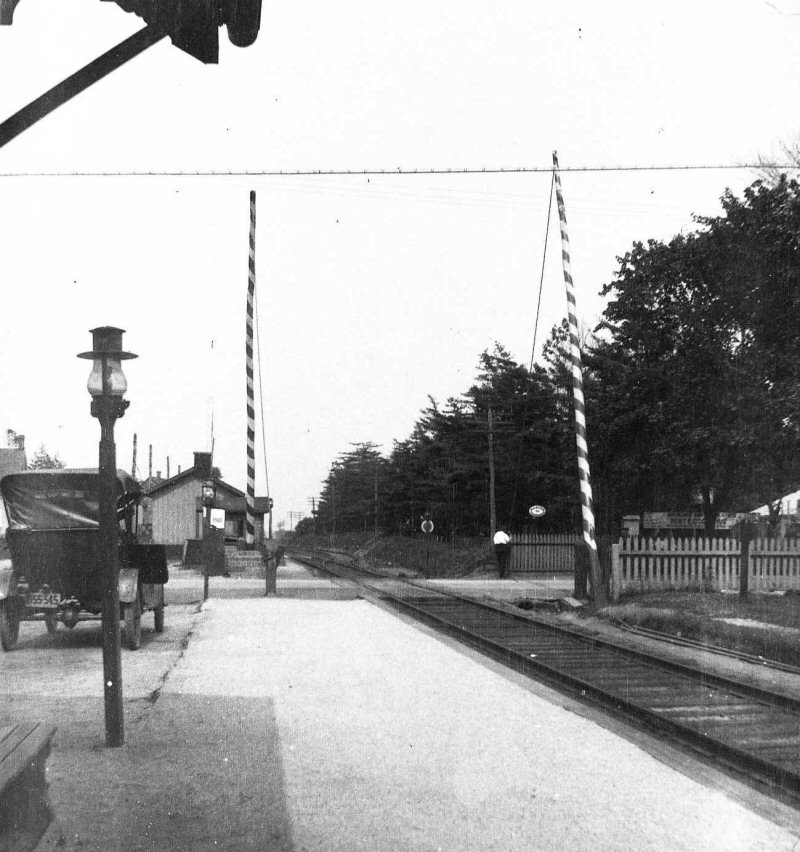
Central Islip Pole gates
Carleton Ave c.1918
|
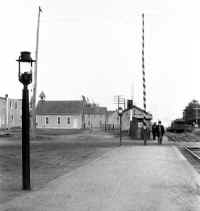
Central Islip Pole gates
Carleton Ave c.1918
|
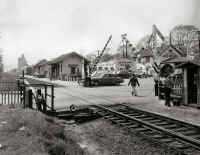
Central Islip station, Express House
behind 5/1954
|
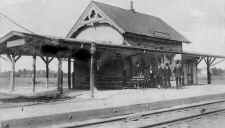
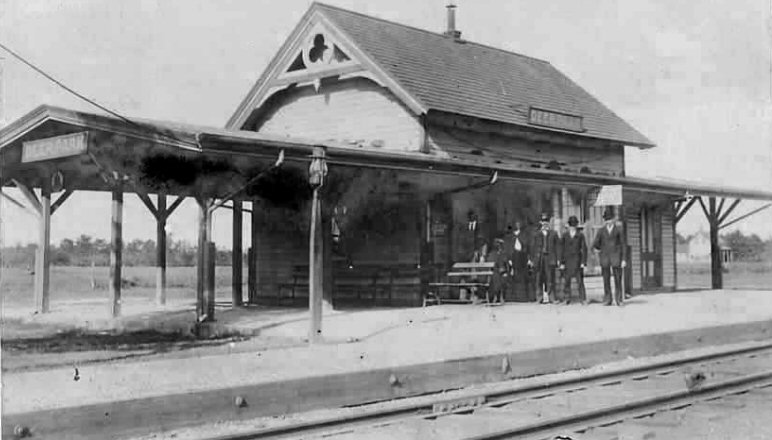
Deer Park, 1908 - The
double-wide door in the background trackside
was the express/baggage room in the depot. (Dave Keller archive)
|
Far Rockaway (Mott Ave.) view E.
1915
Adams Express House in right rear background. (Dave Keller archive)
|
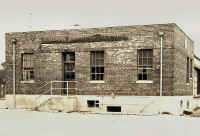
Express House Far Rockaway 1942 (Close-up)
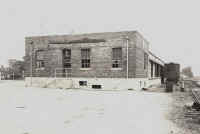
|
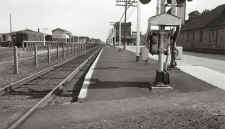
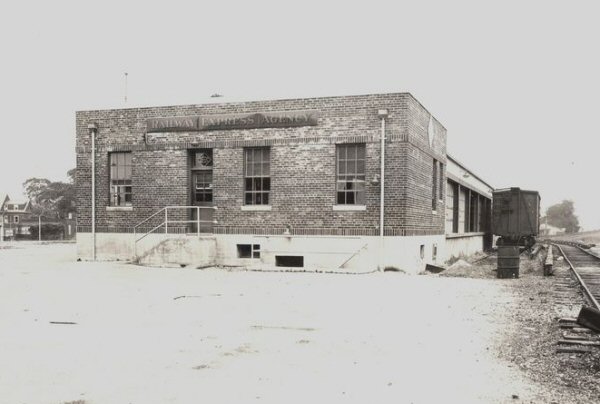
Farmingdale Station Area Express House view E 10/06/1948 Photo: F.
Weber, Archive: Dave Morrison
There is an express
car spotted in front of the freight house and an open Express House is
clearly visible in front of it along the westbound track. Sign on
the end of the freight house at the left begins to spell "Railway
Express Agency" and further down on the same track, a boxcar is
spotted. It would appear that the REA occupied the west end of
the structure and the freight department utilized the remainder of the
building. Info: Dave Keller
|
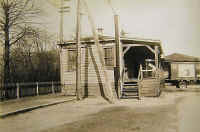
Great Neck Express House 1934
|
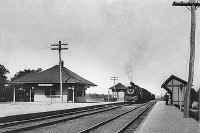
Great River station - Express House view W 1925 (J.V. Osborne photo, Art Huneke archive)
|
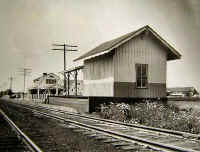
Hampton Bays Express House 1940 The Express House was the original Good Ground depot building, the name of the stop
before it was changed to Hampton Bays. Info: Dave Keller
|
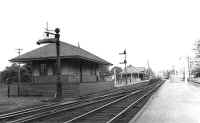
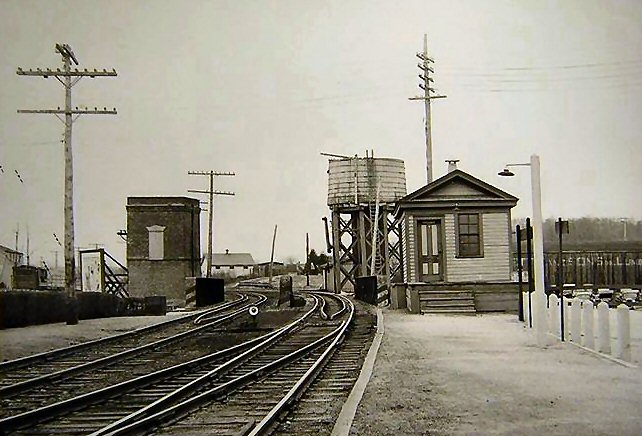
Hicksville Station - Express House at water plug 07/31/1937 Archive:
Dave Keller
|
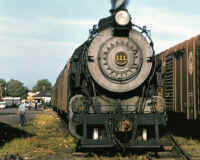
Hicksville Yard
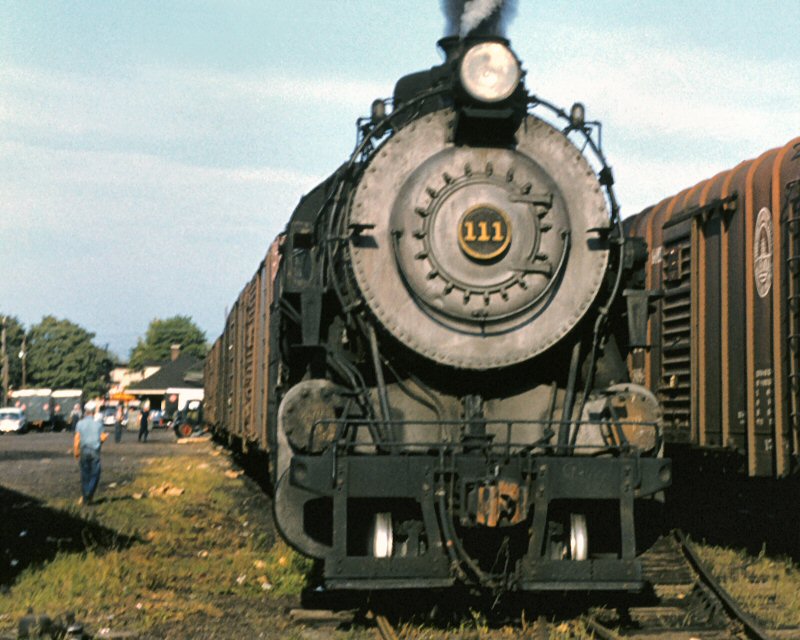
REA/trucks background. LIRR #111 Archive: Art Huneke
|
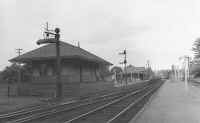
Hicksville station - Express House
water plug 7/31/1937
|
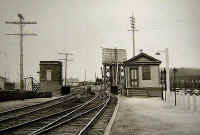
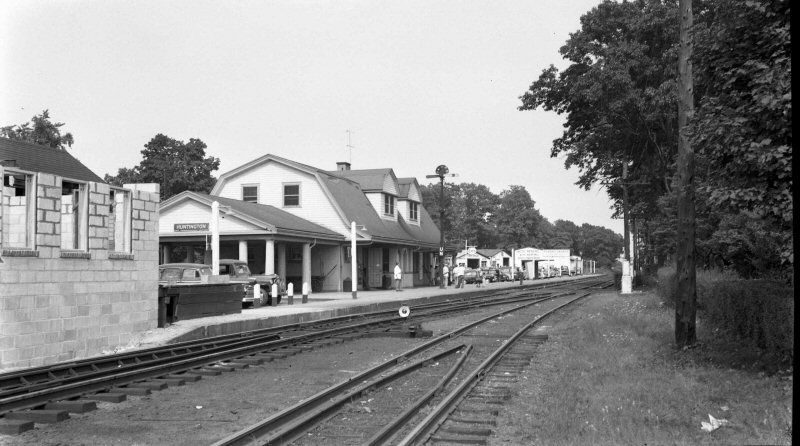
Huntington Express House 1942
|
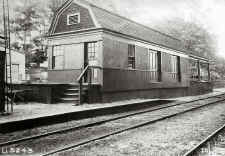
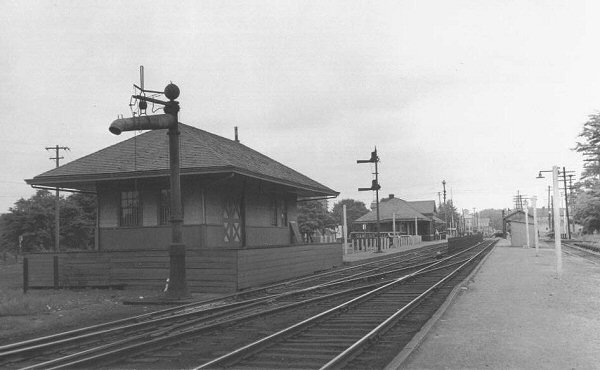
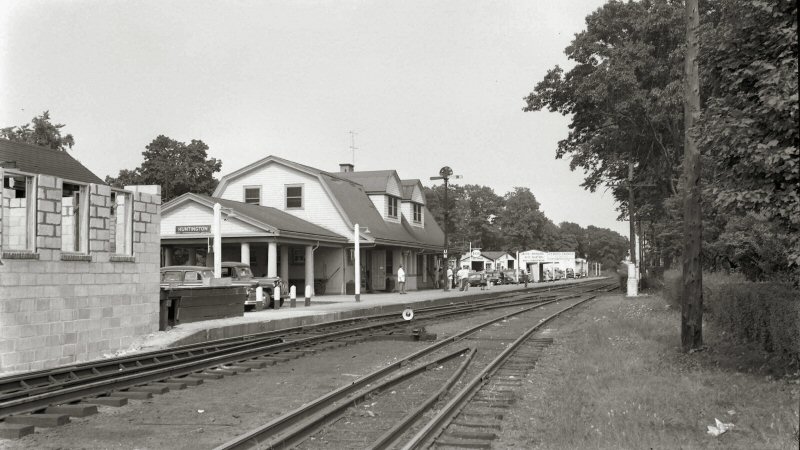
Huntington eastbound Express House located at the east end of
the station platform (notice the low-level platform dipping in front of
the structure where the platform ends. View NE .Note: Roof
in the style of the 1910 station building. LIRR valuation photo 10/1918
Info: Dave Keller
|
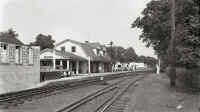
Under construction westbound Express House foreground and
Huntington Station at "UN" block
crossover 08/28/1951 View E
Notice it was too small and
becoming ramshackle as you can see (right photo), so it was torn down and replaced with
a cement block structure.
Info: Dave Keller
|
This concrete structure was built as an addition to the Express House
and not as a replacement to it. It appears that it's butted up against the west side, with the cement blocks tight against the track, allowing no loading platform.
This prior to the newly built structure to the high-level express platform , thus this is the old Express House
with the platform in front of it, but it's truncated by the newer block structure on its west side and in the front part of the photo.
I understand that the blocks were covered with clapboard siding, making it look like it's wood and a match to the existing structure.
Info: Dave Keller
|
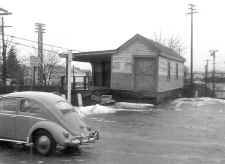
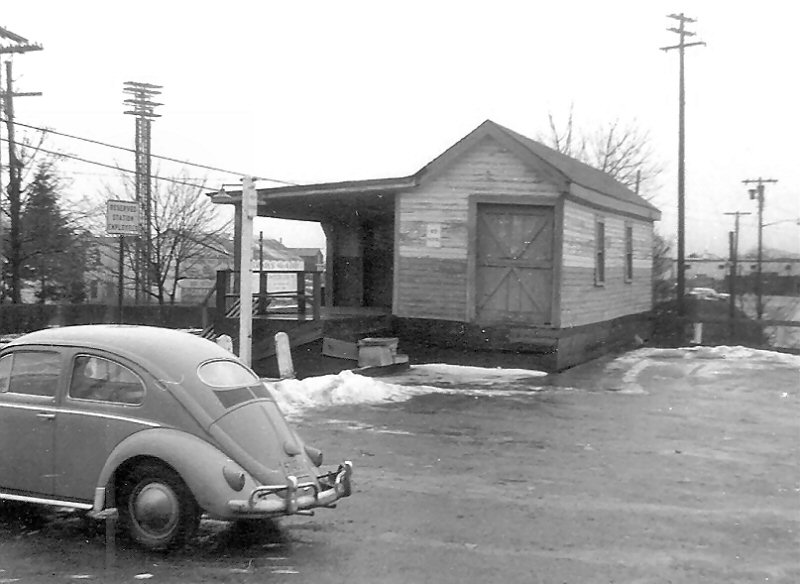
Huntington westbound Express House , located at the west end of the station. Notice how the ground drops off at the right
background? That's the depressed level of New York Avenue passing
under the tracks. View W
Info: Dave Keller
Archive: Brad Phillips
|
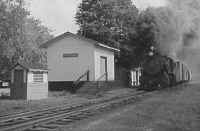
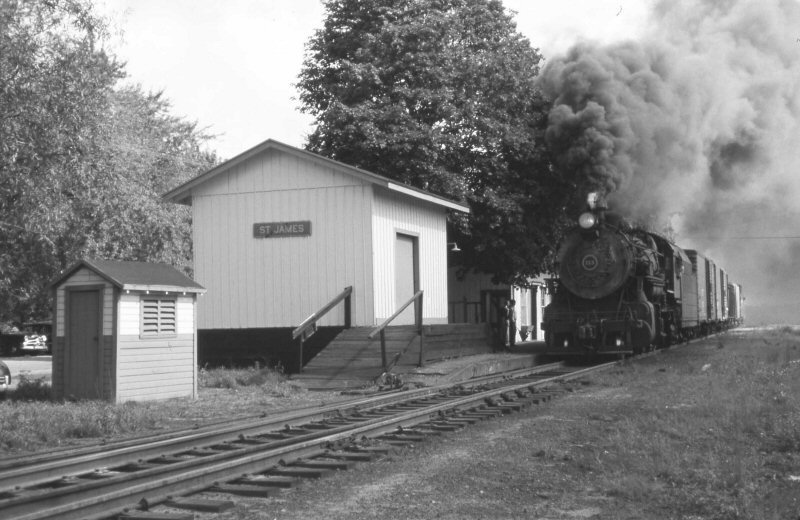
Producing a load of smoke, H10s #113 pulls a westbound freight past
the freight/Express House at St. James on August 25, 1955
(W. H. Higginbotham photo, Dave Keller archive)
|
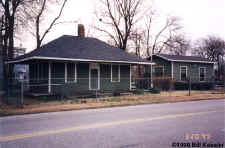
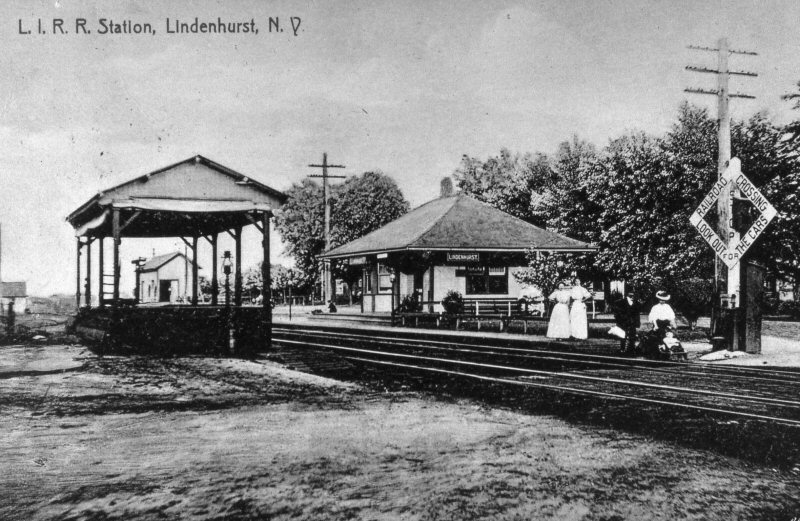
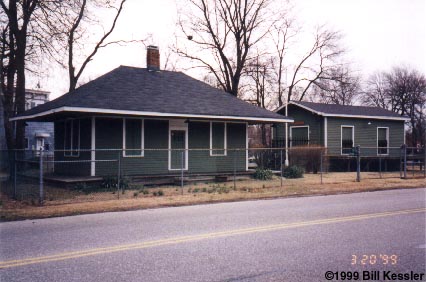
Lindenhurst station and freight/Express House
3/20/99 relocated after grade elimination project to Irmisch Park at South
Broadway and South 3rd St. in Lindenhurst. Both structures, which were
joined together c. 1940 and remodeled were separated and restored to
original "as built" condition. Village of Lindenhurst museum site. (Photo:
Bill Kessler)
|
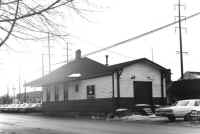
Lindenhurst Depot rear view
|
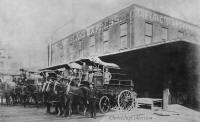
LI Express c.1890 Photo: Harold B. Fullerton Archive: Queens Public
Library Restoration: Chris Klug |
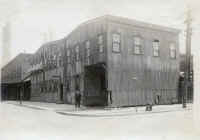
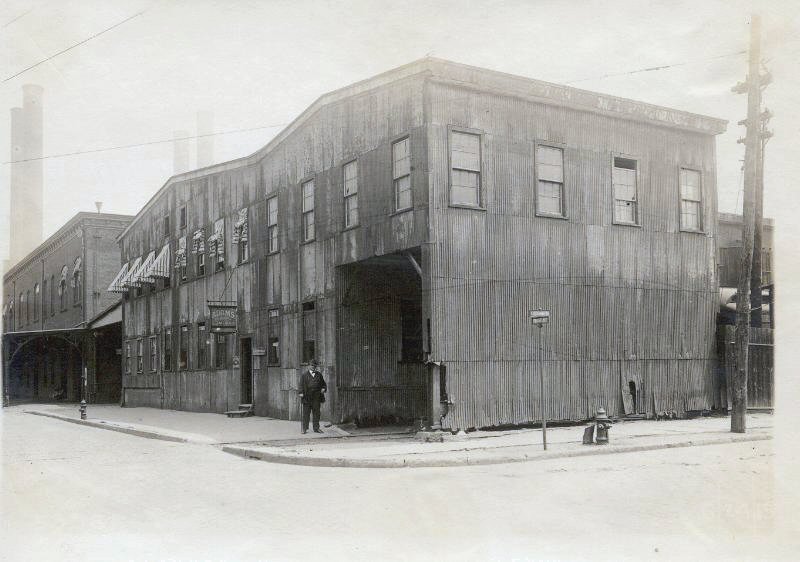
ex-LI Express House- American Railway Express Co.
LI City 1919
|
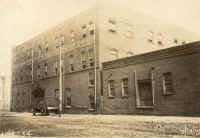
LI Express stables LI City 1919
|
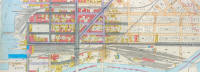
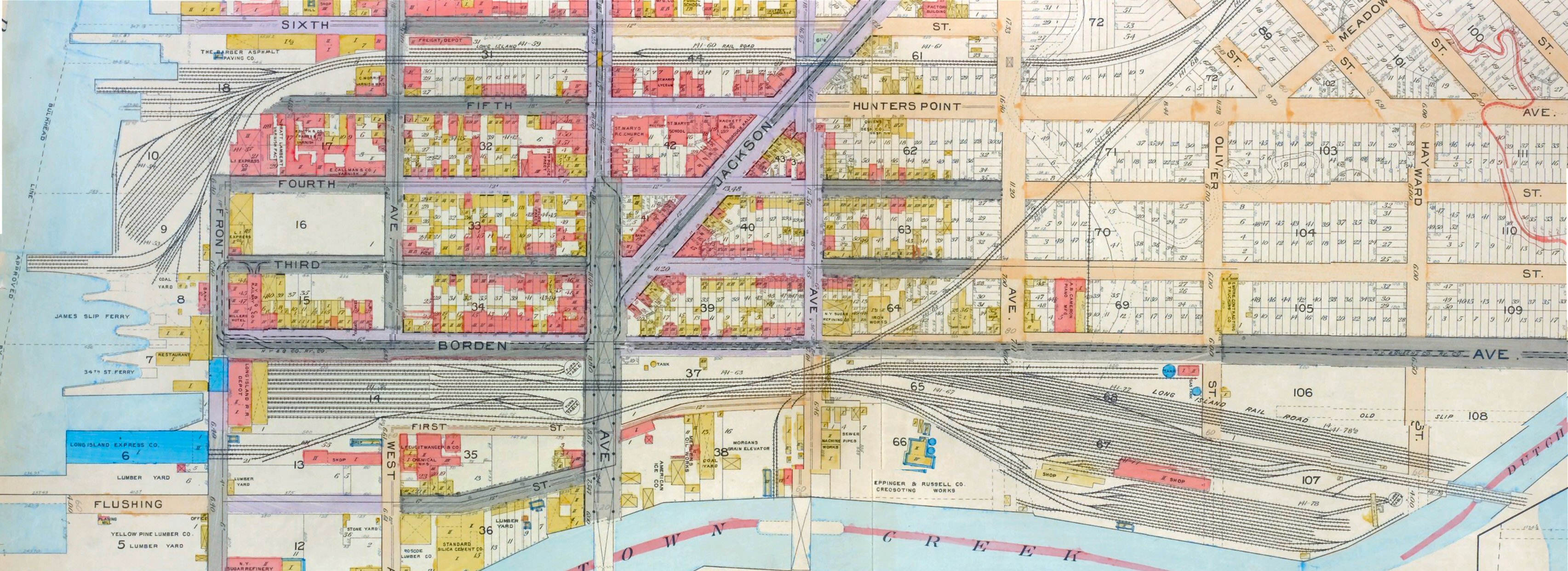
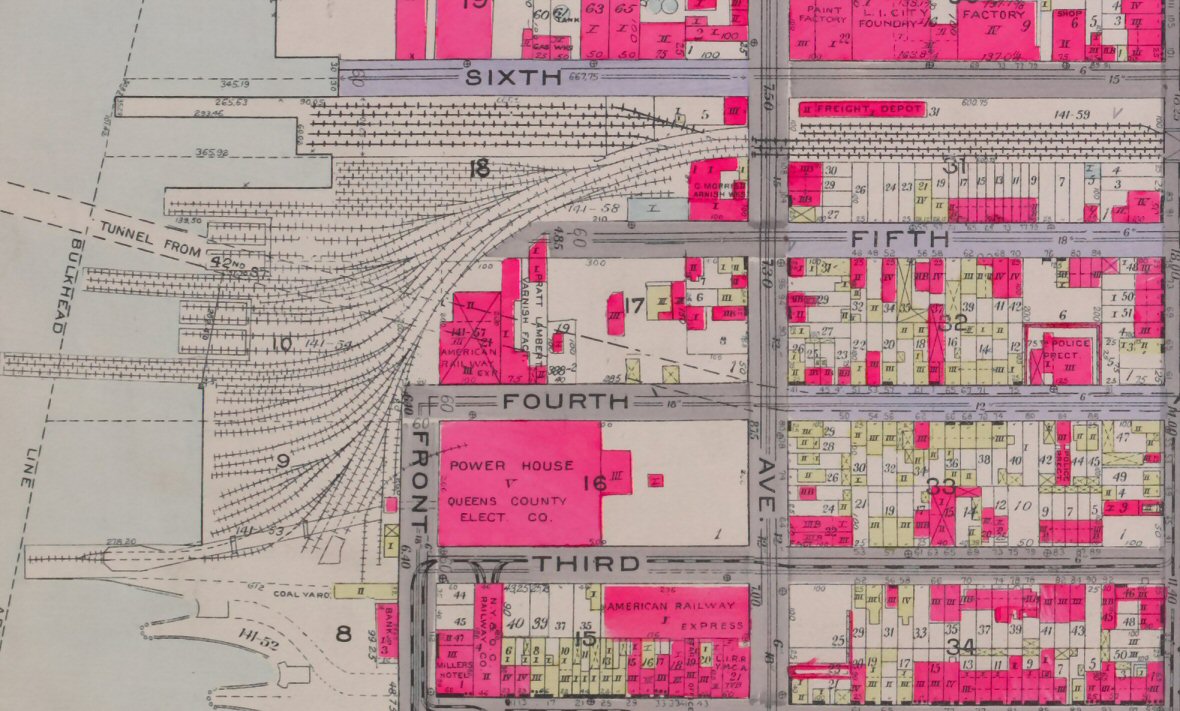
LI Express House - Hunters Point, LI City 1903
Archive: NY Public Library |
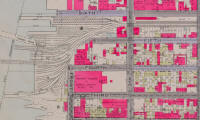
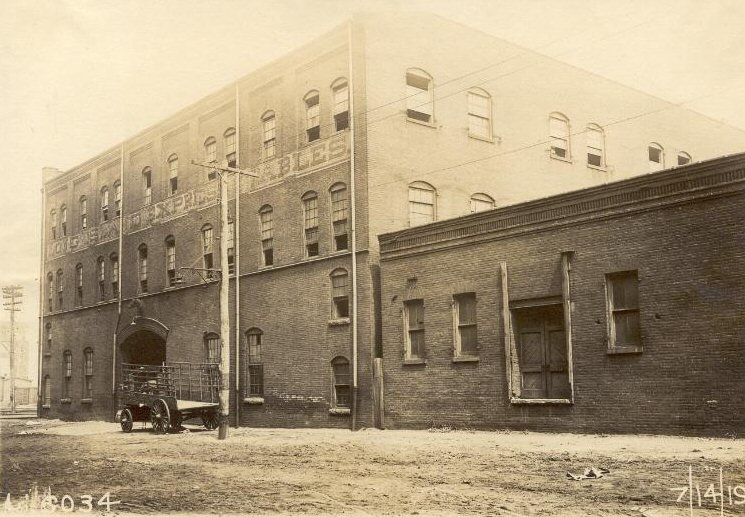
ex-LI Express House- American Railway Express Co., Hunters Point, LI City
1919 Archive: NY Public Library |
|
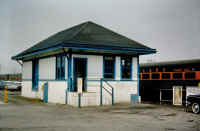
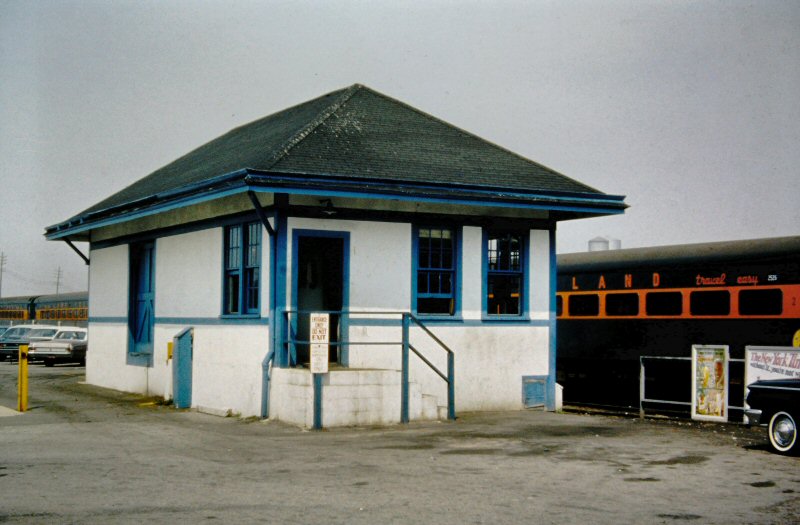
Long Beach Baggage House - Ex-Express Office 8/1966 (Sturm-Fehn)
|
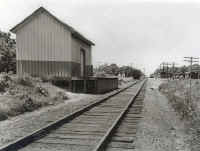
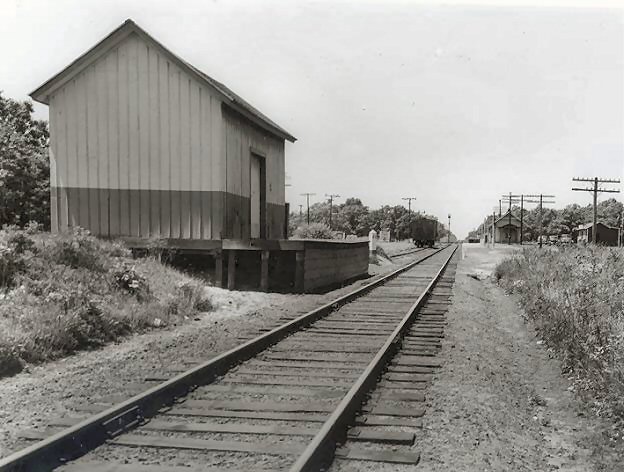
Mastic freight/express View W.
Team track stubs out on the west side of structure. Depot in right background, c. 1947.
(Photo courtesy of Art Huneke)
|
|
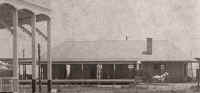
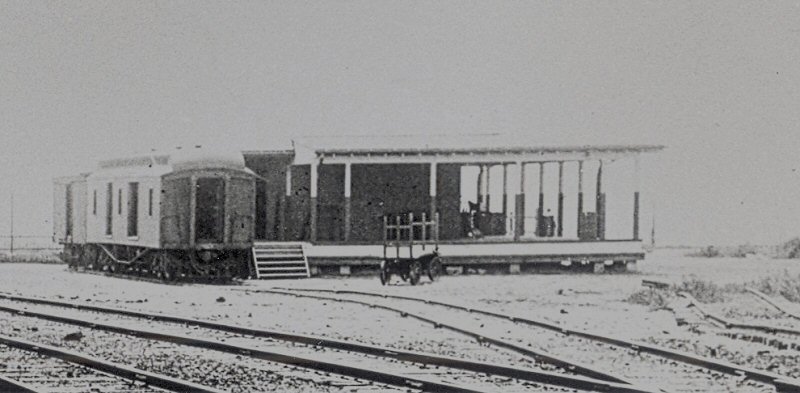
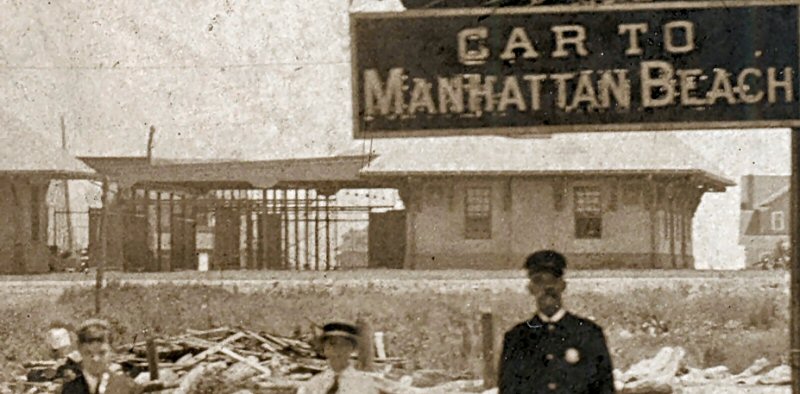
Manhattan Beach Express House
Archive: Art Huneke
|
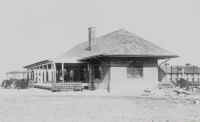
Manhattan Beach Express House 3/4 view Archive: Art Huneke
|
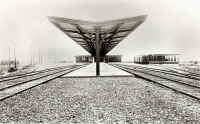
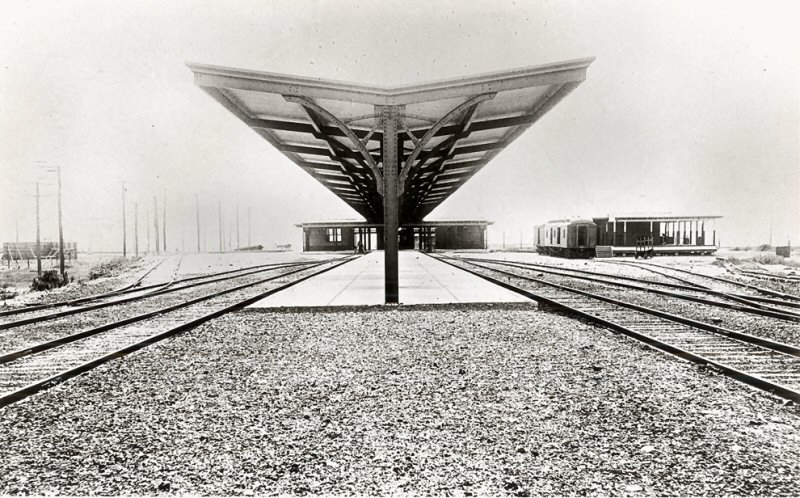
Manhattan Beach Passenger depot Express were perpendicular to
each other as seen in the overall view looking south from the end of the
covered platform. House Archive: Art Huneke
|
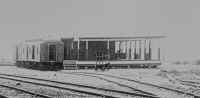
Manhattan Beach Express House , view looking W towards the beach. Express House
Archive: Art Huneke
|
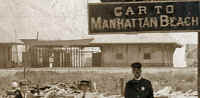
Manhattan Beach side view of the Passenger depot building, view
looking east. The Express House is off to the left. Archive: Art Huneke
|
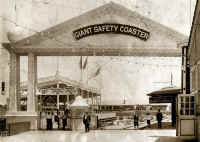
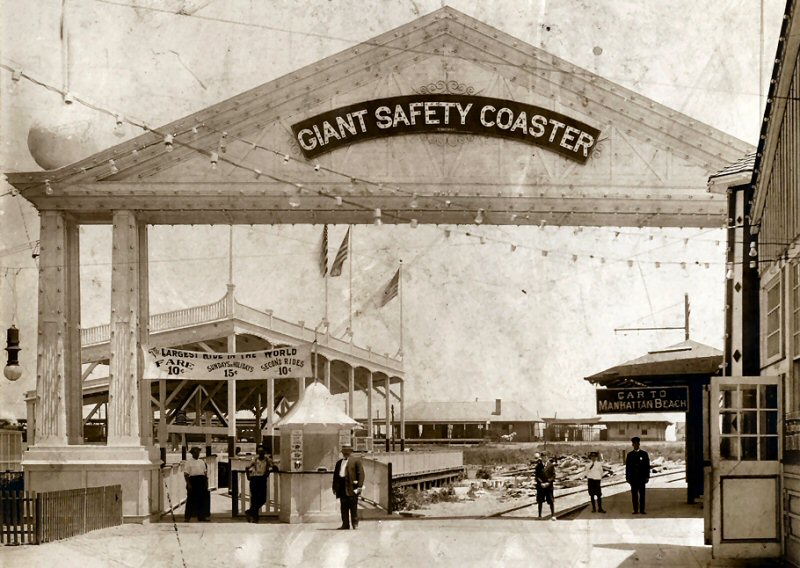
Manhattan Beach station and Express House in distance through the
entrance for the Manhattan Beach Coaster ride.
Archive: Art Huneke
|
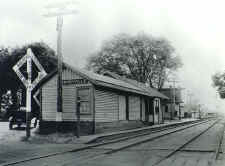
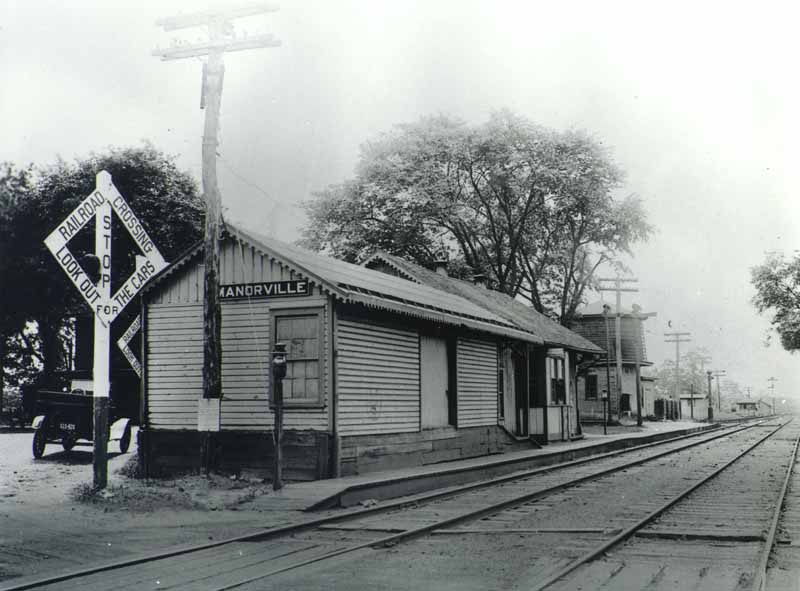
Manorville, c. 1921 LIRR
valuation photo view is looking SE. They were originally two
separate buildings, but they were connected by closing in the spaces with
the addition of walls and roof, providing more needed holding space than
the original Express House could provide. The 2nd diamond crossing
sign behind the structure was for warning of the crossing of the spur
heading southeast towards Eastport. (D. Keller info)
|
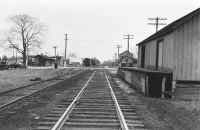
Medford Express House Team Track
passing siding View E 4/1940
|
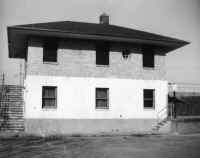
Medford Station: Top
portion of the 1940 structure was the ticket office and waiting
room. Bottom portion was the express / freight house. view N 1960
(Thomas R. Bayles photo, Dave Keller archive)
|
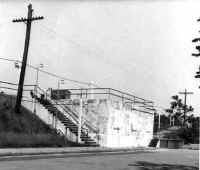
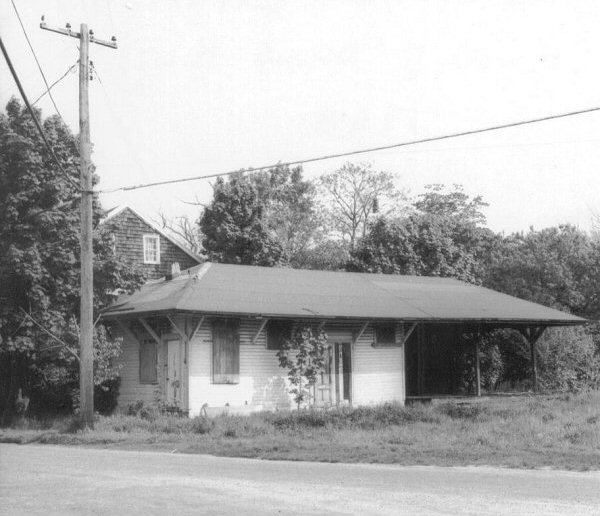
Express House Medford remains elevated structure 1969
|
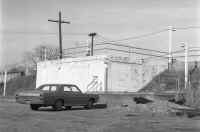
Medford remains Express House
view NW 1969
|
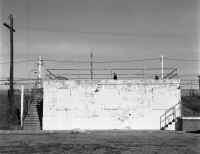
Medford remains Express House
view N 1969
|
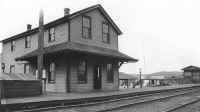
Montauk station - Express House 1925 (J. V. Osborne photo, Art Huneke archive)
|
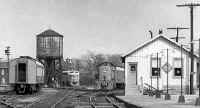
Oyster Bay view E. 1952
(Dave Keller archive)
|
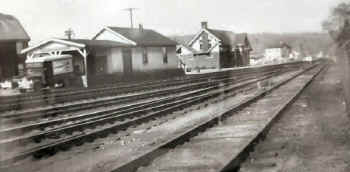
Oyster Bay Express House view SW
Photo: R. Emery <1961
Collection: SUNY Stony Brook
|
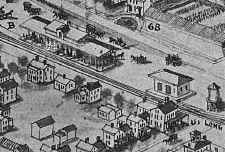
Patchogue Express House and Station c. 1900
|
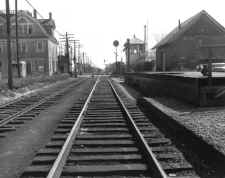
Patchogue "PD" and Baggage House 1947 view E
Photo: F. Weber, Archive: Dave Keller
|
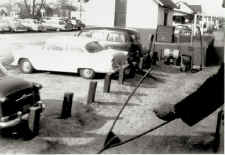
Patchogue Train Orders pickup Baggage
House
c. 1955 view W
|
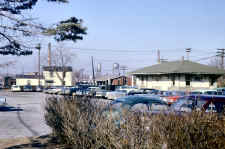
Patchogue view W
Supervisor's office, brick freight house, Express House 1962
Photo: Art Huneke
|
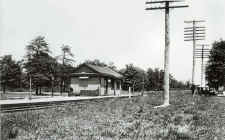
Pinelawn, c. 1920s Double doors in use
to access the express/baggage room.
(Dave Keller
archive)
|
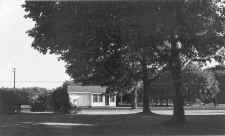
Pinelawn, 1970 Double-wide
door to the express/baggage room had been closed in after express
service ended.
(Dave Keller
archive)
|
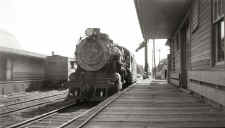
H10s #111 westbound at water spout - Riverhead - c. 1952.
Eastbound Express House at right, freight house with boxcar spotted, at
left across tracks.
(Dave Keller archive)
|
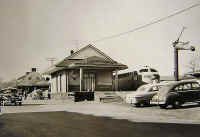
Riverhead Express House
1952
|
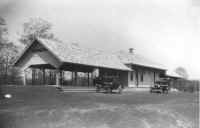
Rocky Point station with built-in Express House – c. 1930 (Dave Keller
archive)
|
|
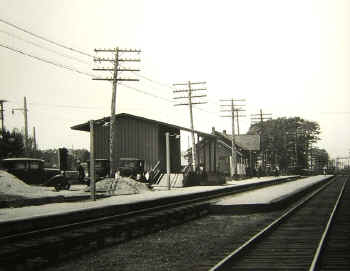
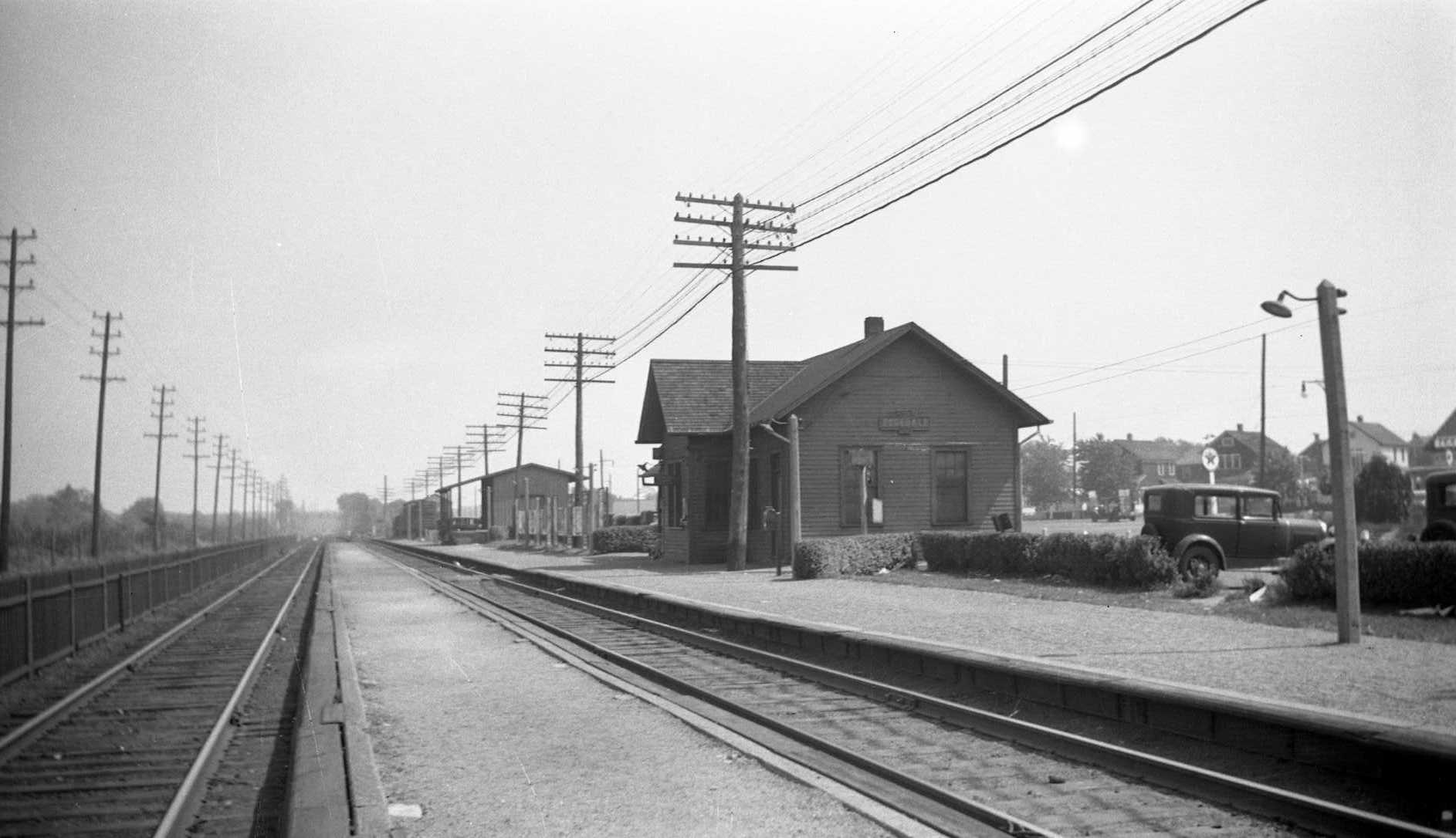
Freight-Express House Rosedale
c. 1935 Archive:
Dave Keller Photo source unknown
|
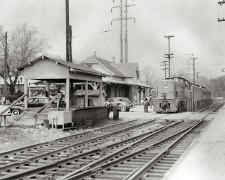
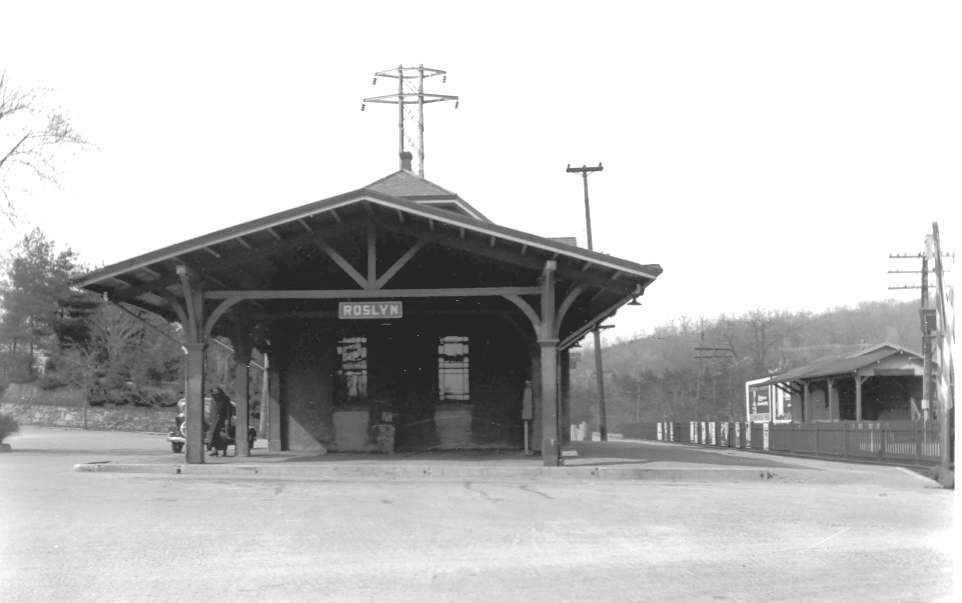
Roslyn station and
westbound open-air Express House 4/26/53 View NE
|
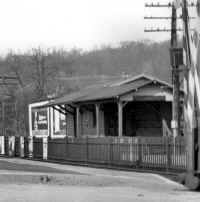
Roslyn Express House c.1937 (Winslow)
|
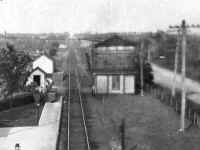
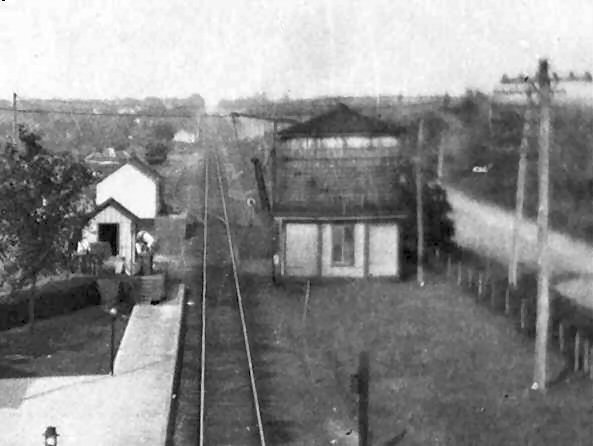
Ronkonkoma looking east from the Ronkonkoma Ave. overpass. The
water tank is at the right, the eastbound Express House is at the left and
in the left background, beyond the Express House , is the freight house. -
1915 (Thomas R. Bayles photo/Dave Keller archive and info)
|
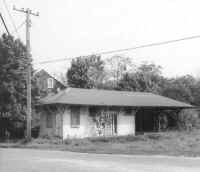
Sag Harbor Express House 1968
|
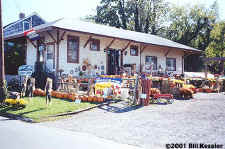
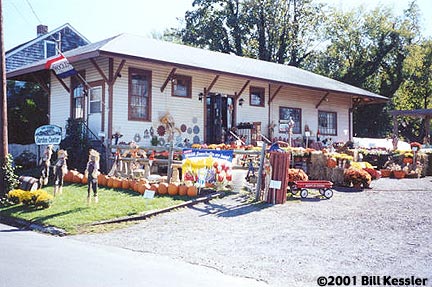
Former
1900-era Express House at Sag Harbor shown on 1/24/2006 years after move
to private location at 11 Spring Street and recent renovation for business
use.
Photo: Bill Kessler
|
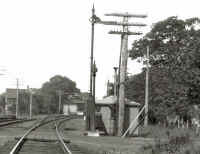
Temporary "Y"
cabin during the Montauk Highway Grade Crossing Elimination at Sayville - Express House
in background - 1930
(Art Huneke archive / Dave Keller info)
|
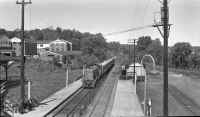
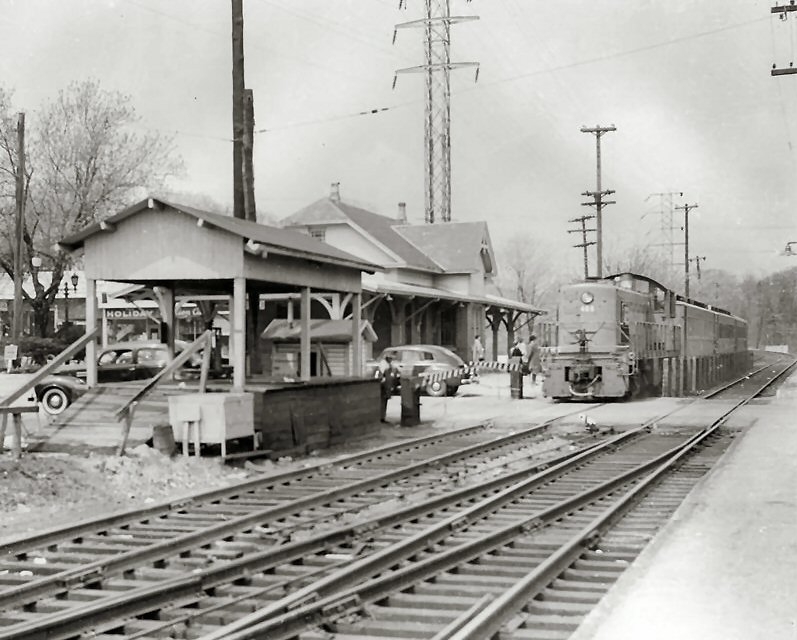
ALCO RS1 #462 Express House
Sea Cliff 8/24/1952
|
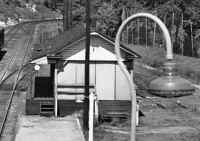
Express House Sea Cliff 8/24/1952 (Hermanns)
|
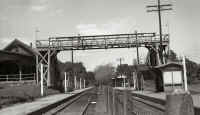
G5s #30 approaching Sea Cliff
8/20/1949
|
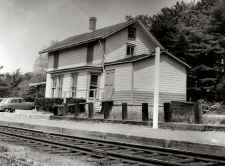
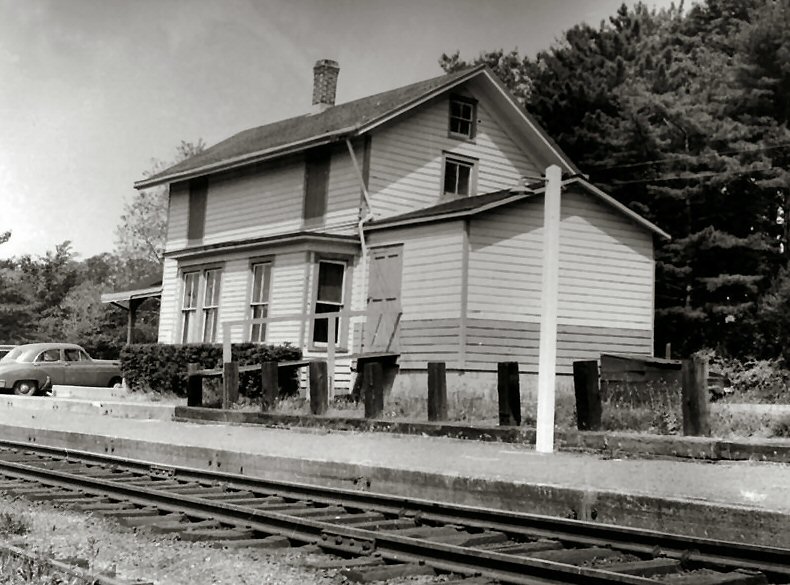
Setauket station and attached Express House 1952 View NW. Note
the ramp from the Express House door to track and car level.
|
|
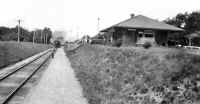
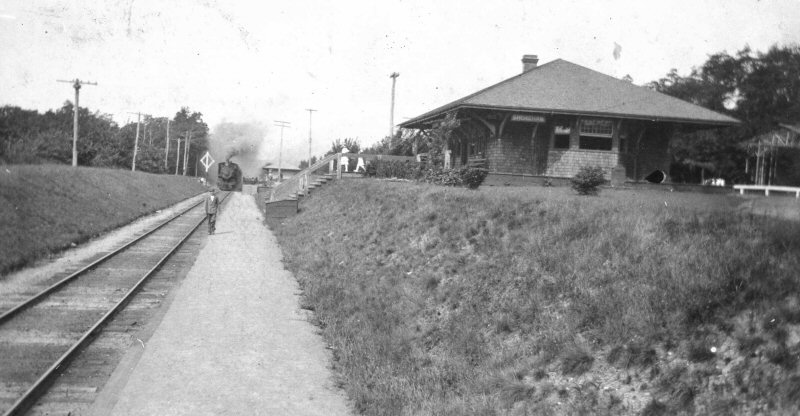
Shoreham station looking
west with eastbound train approaching. Elevated, uncovered westbound
express platform at end of station platform and freight house in
background, west of North Country Road crossing - 1912 (Thomas
R. Bayles photo/ Dave Keller archive and info)
|
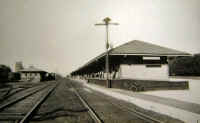
Express-Freight House on left -
Southampton view E c.1925 (JamesV.Osborne)
|
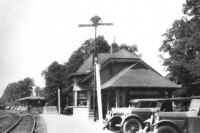
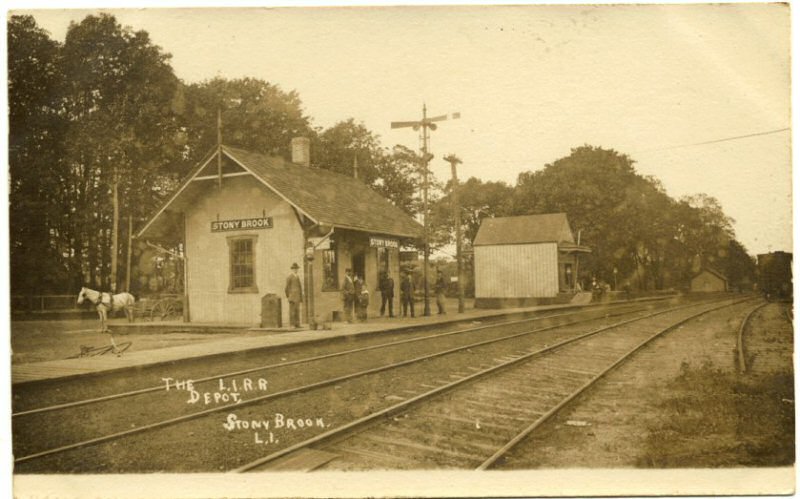
Stony Brook station
with bare, uncovered, elevated westbound express platform and
freight house in background - View looking west, c. 1930 (James V.
Osborne photo, Dave Keller archive and info
|
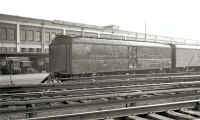
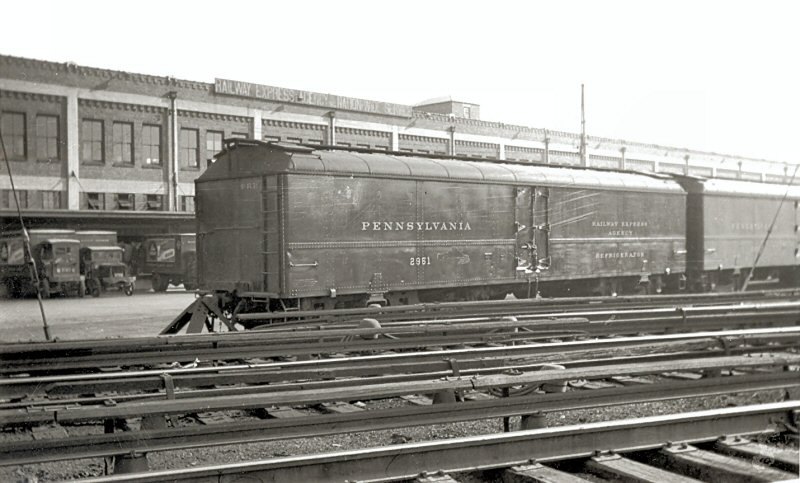
REA reefers in front of
the main REA complex in Sunnyside, Long Island City – 1937 (Dave
Keller archive)
|
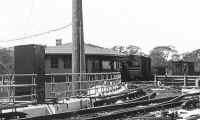
R. Emery
Valley Stream 8/1958 map MP15-16 Note #11:
"Freight house until 1955."
After 1955, it obviously served as the Express House and the house track
was renamed "exp hse" track.
|
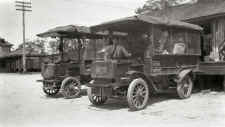
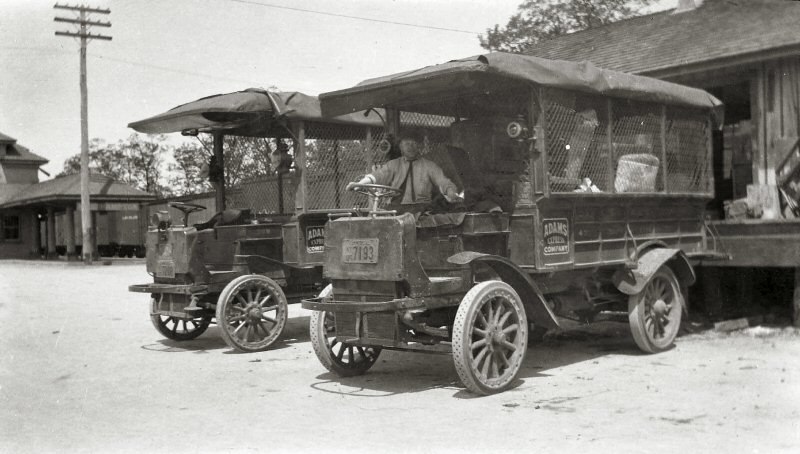
Old Autocar express trucks of
the Adams Express Co. at the platform. Note their wooden spoke
wheels and solid rubber tires. 1915 Photo: Thomas R. Bayles Archive:
Dave Keller
|
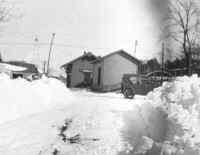
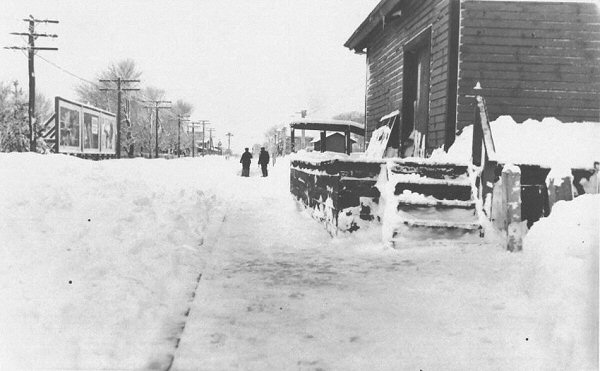
Station Express House closed snow Central
Islip c.1920
|
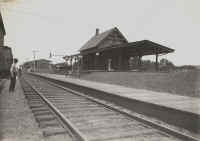
Station Express House
Cutchogue c.1905
|
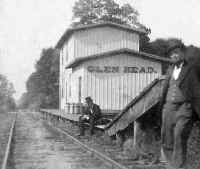
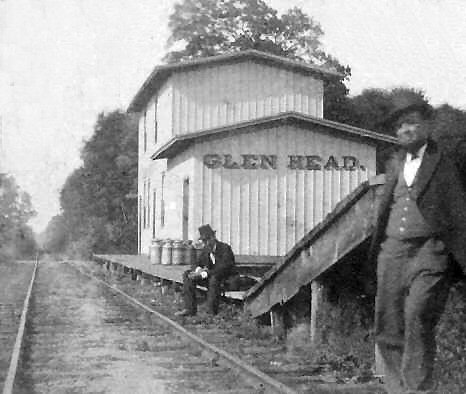
Station Express House
Glen Head c.1870
|
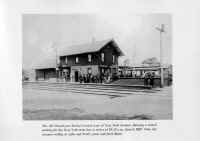
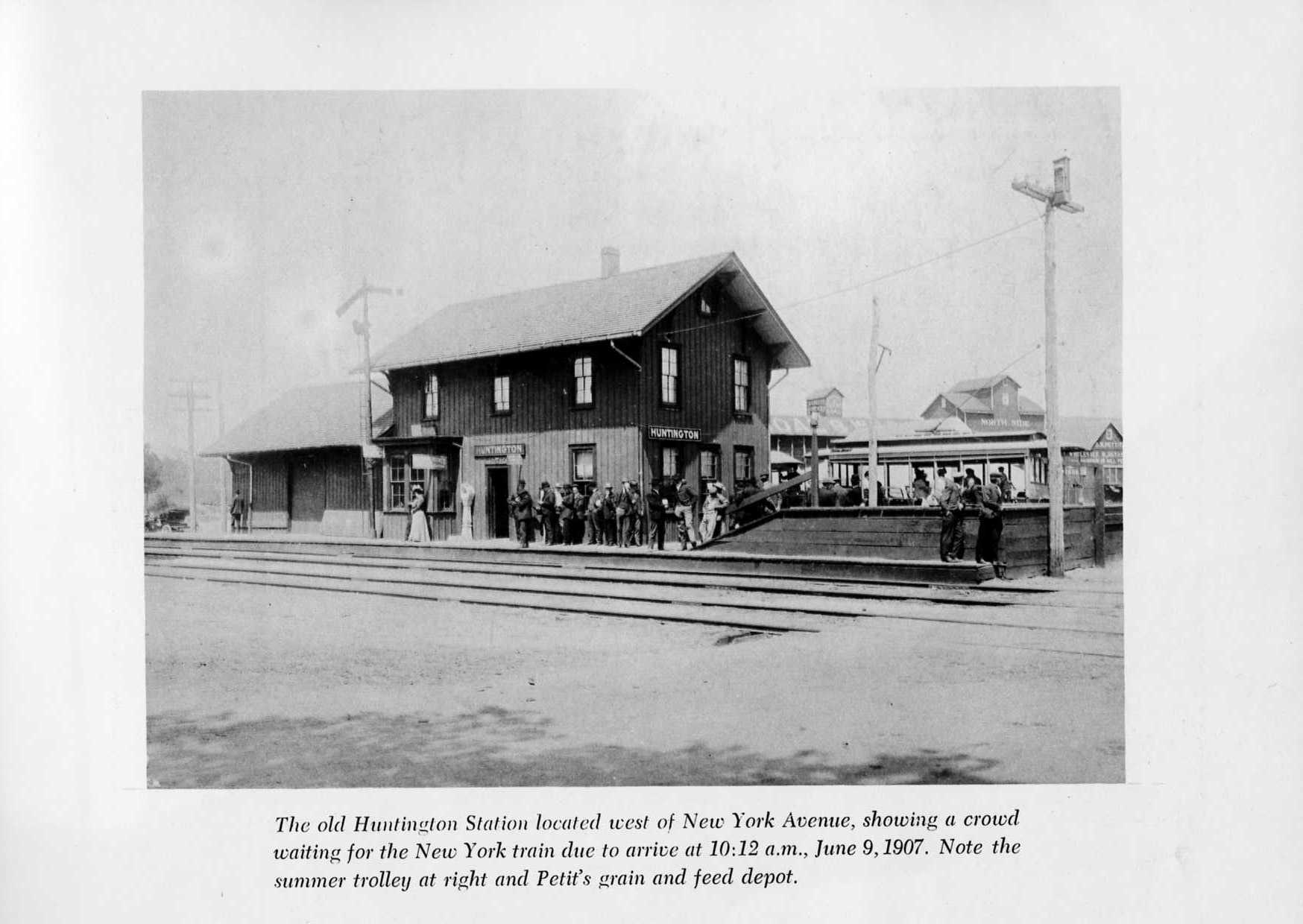
Station Express House
Huntington 6/09/1907
|
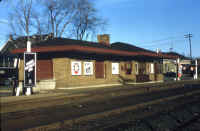
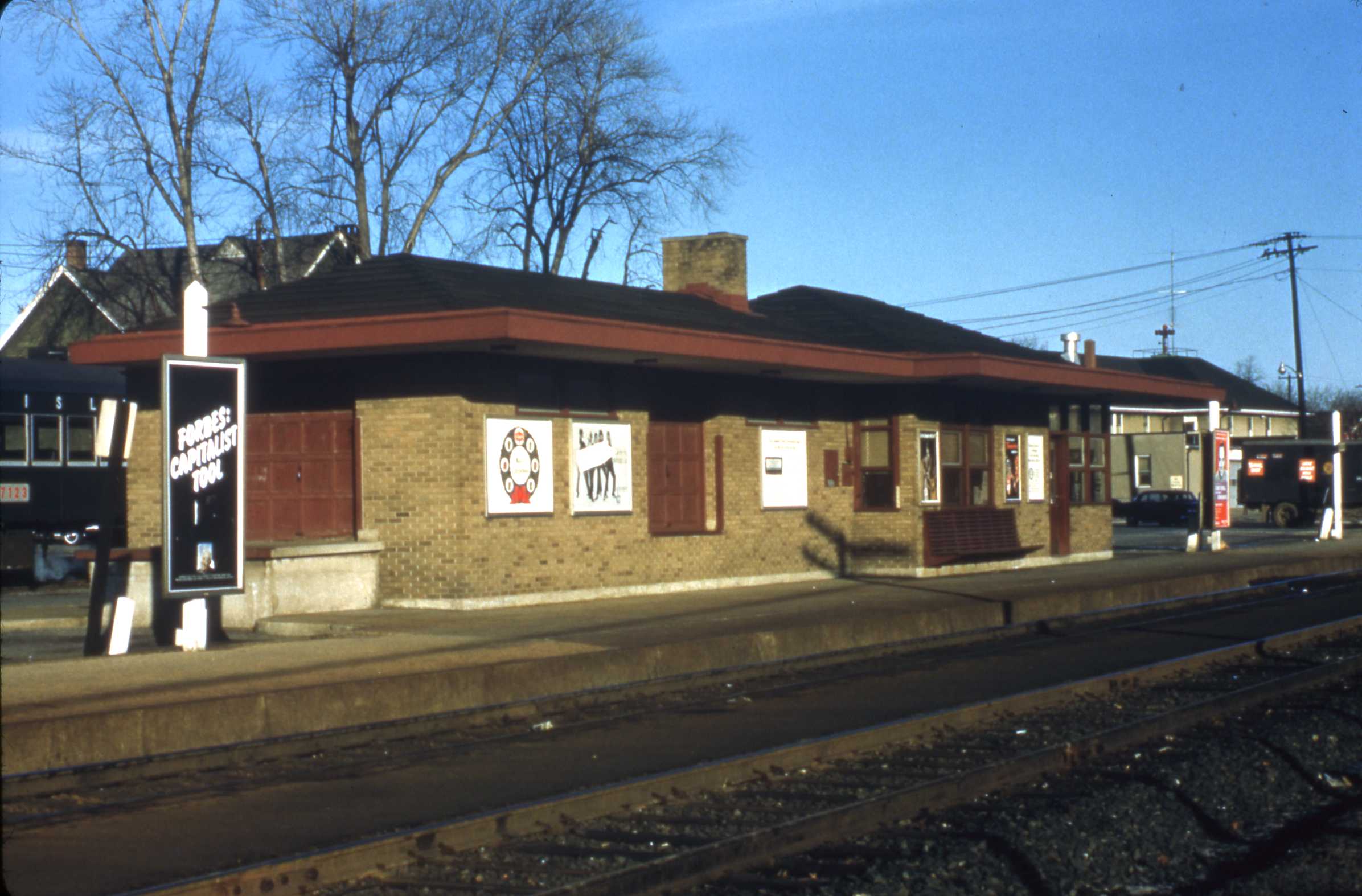
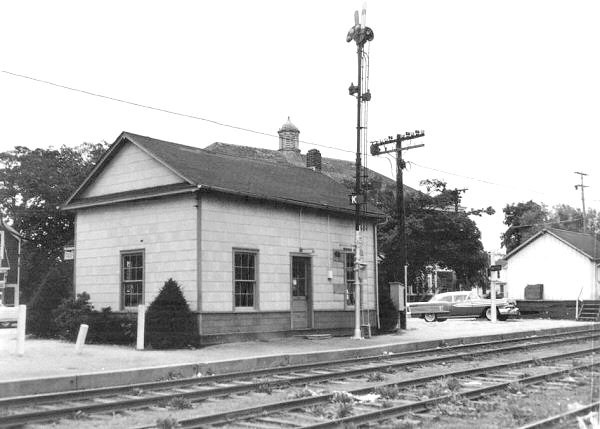
Station Express House Kings Park 1/1966
|
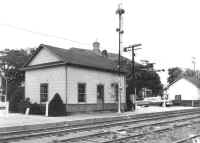
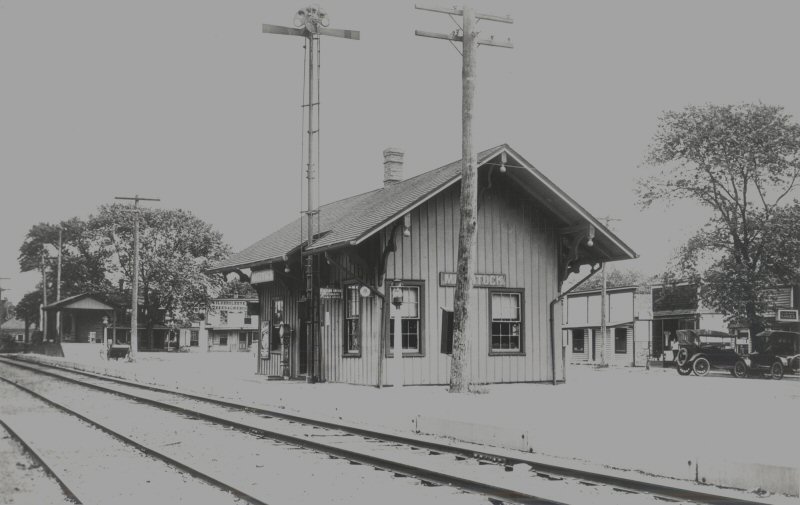
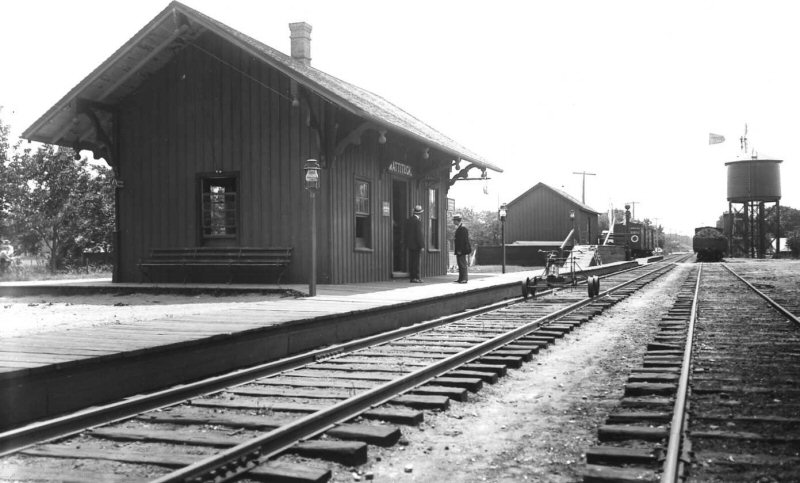
Station Express House Mattituck
at "K" 1958
|
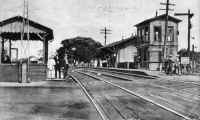
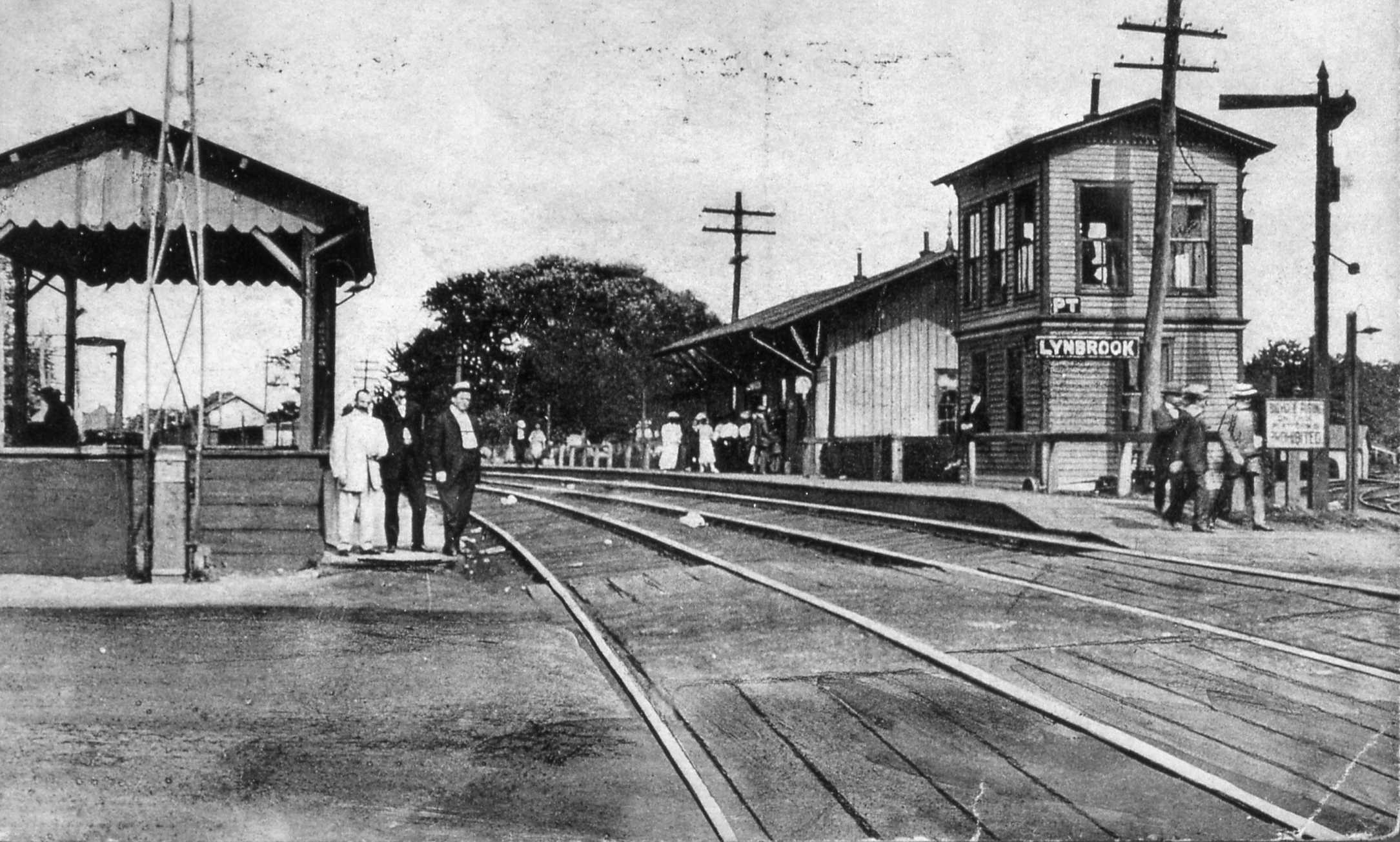
Station Express House Lynbrook PT
Tower c.1910
|
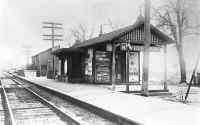
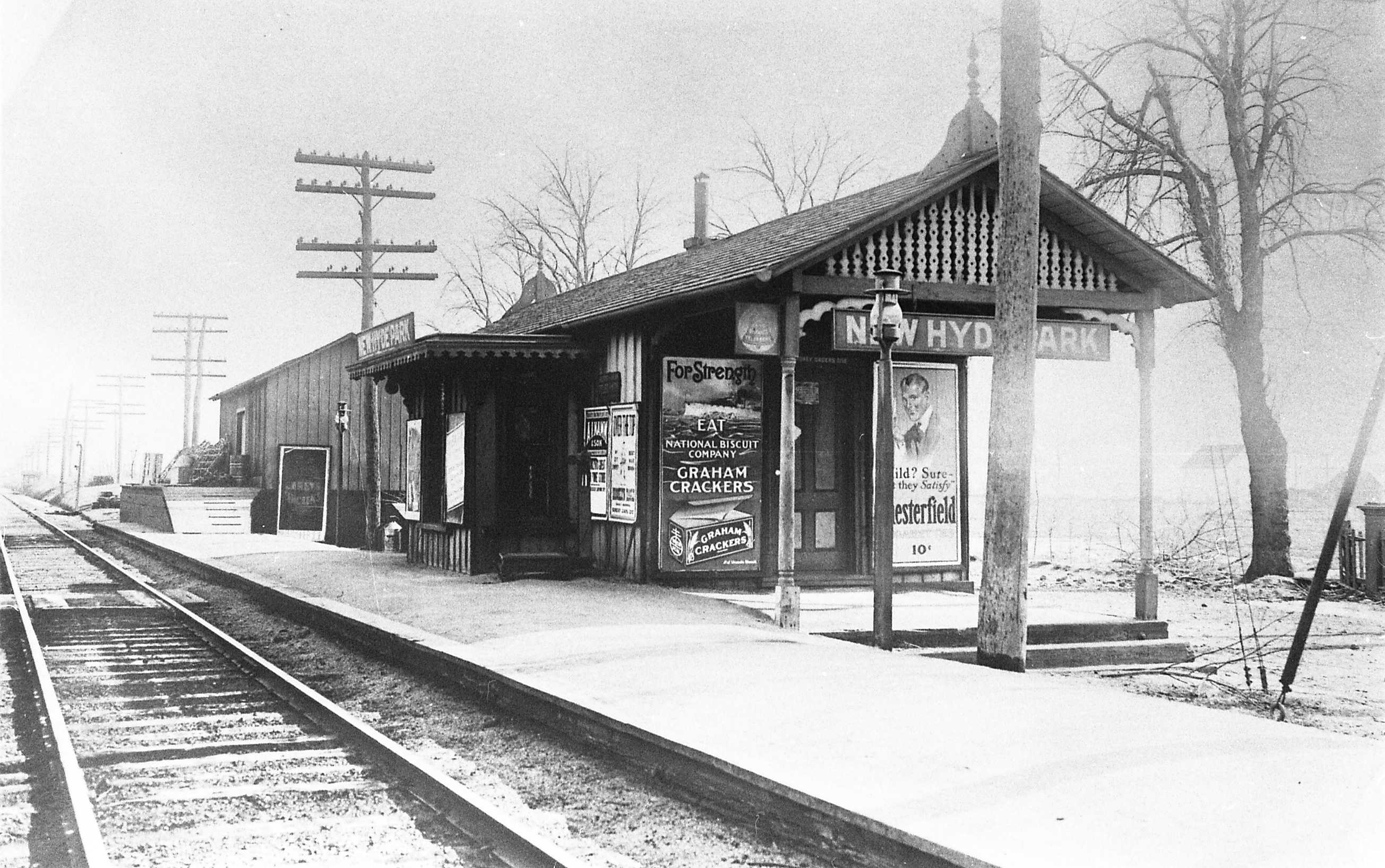
Station Express House
New Hyde Park 1918
|
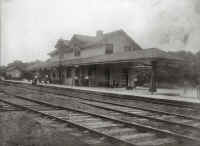
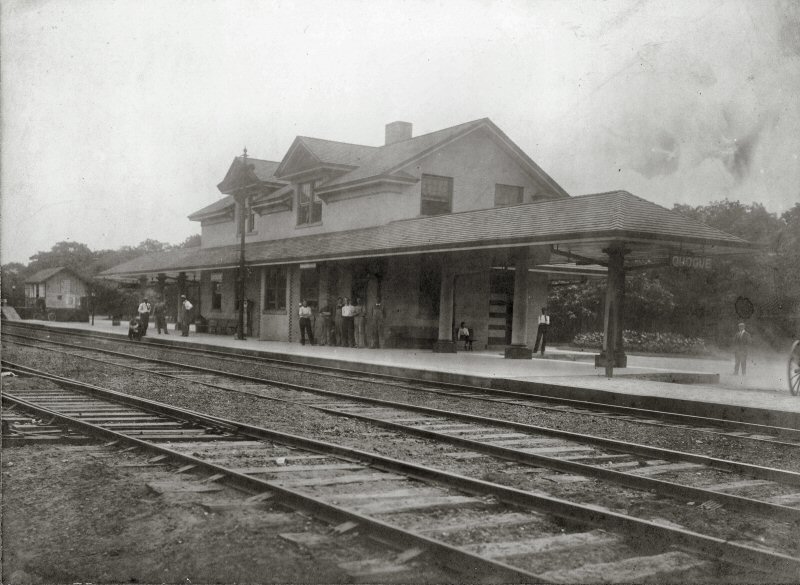
Station Express House Quogue 1909
|
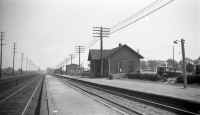
Station Express House Rosedale 1936
|
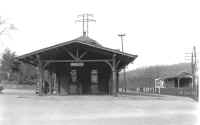
Station Express House Roslyn 1937
|
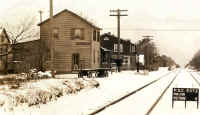
Station Express House Medford 1/1940
|
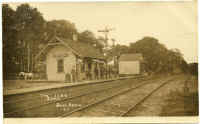
Station Express House Stony Brook c.1905
|
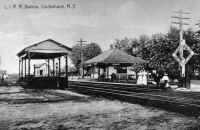
Station Lindenhurst Express House
1905
|
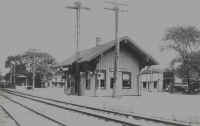
Station Express House Mattituck K Block
Signal c.1921
|
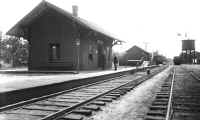
Station Mattituck Express House water tower
c.1905
|
|
|
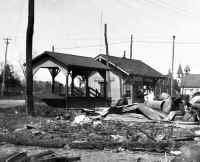
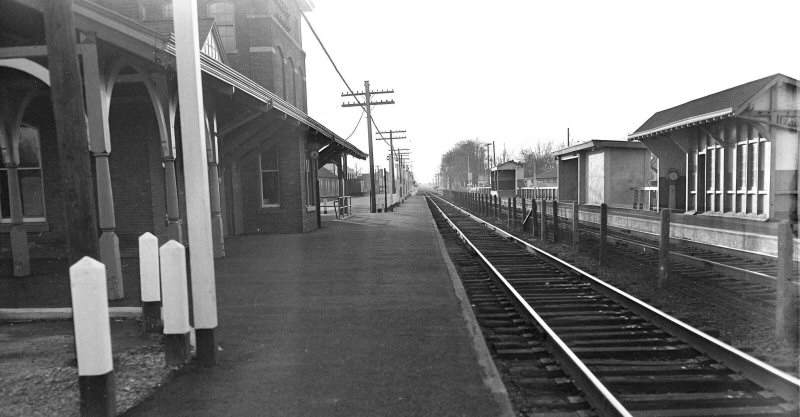
Station open Express House
Central Islip c.1918
|
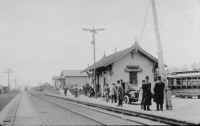
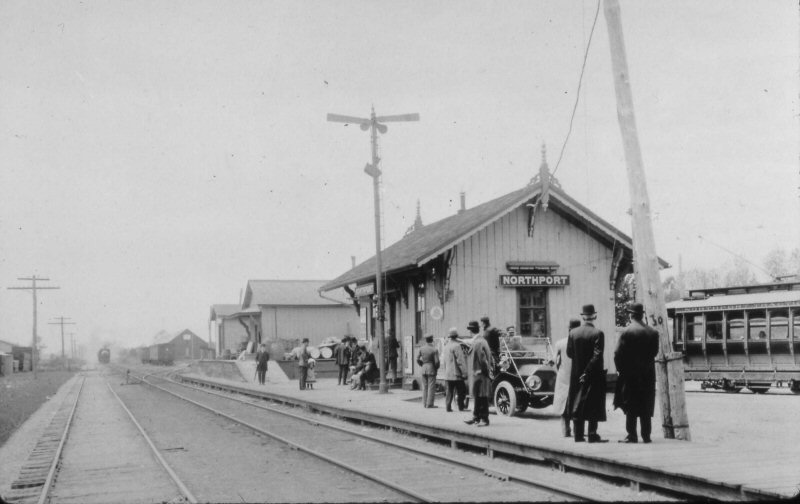
Station Express House Northport/Northport
Traction c.1910
|
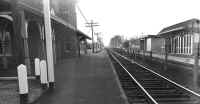
Station Express House shelter shed
crossover entrance Farmingdale 11/21/48
|
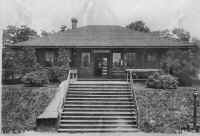
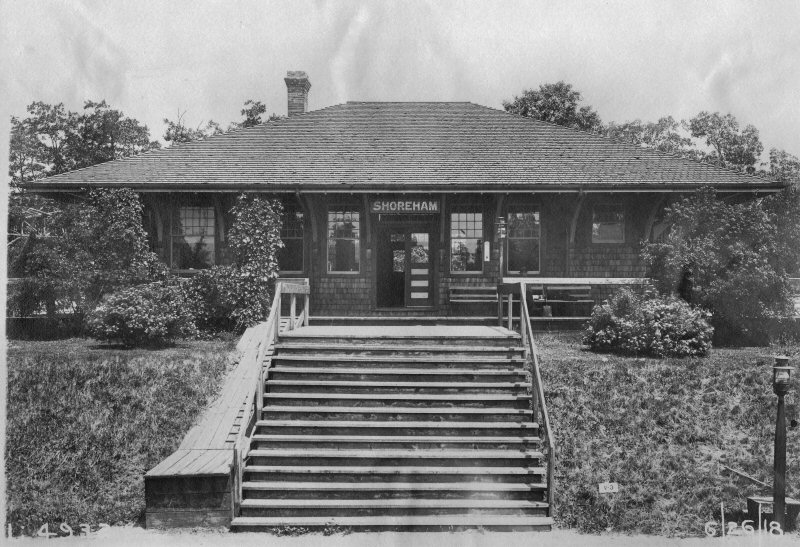
Station Express House Shoreham 6/26/1918
|
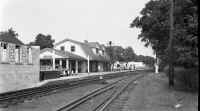
Station Express House
Huntington UN Block Crossover
8/28/1951
|
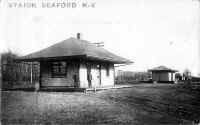
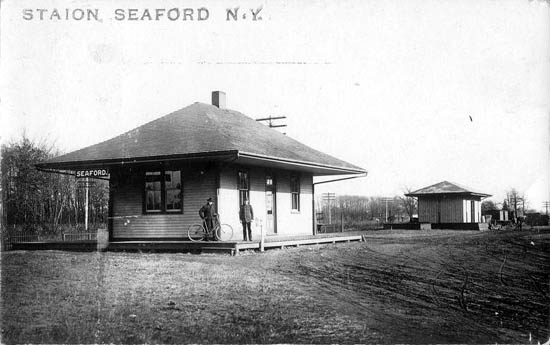
Station Express House Seaford c.1910
|
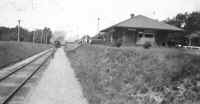
Station Express House Shoreham D56
Eastbound 1912
|
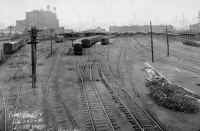
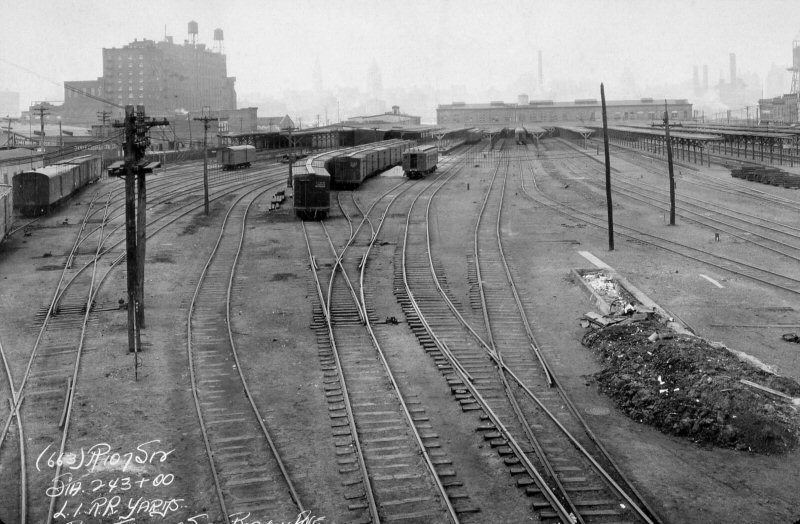
Station Long Island City yard Express House
Platforms c.1912
|
|
|
|
|
|


.JPG)

.jpg)


.jpg)

.jpg)

.jpg)
.jpg)




.jpg)