|
LIRR Coal Freight Info
|
|||||||||||||||||||||||||||||||||||||||||||||||||||||||||||||||||||||||||||||||||||||||||||||||||||||||||||||||||||||||||||||||||||||||||||||||||||||||||||||||||||||||||||||||||||||||||||||||||||||||||||||||||||
|
The Long Island's coal freight operations terminated more cars than they originated
(68.0% of the loaded car miles were eastbound from the mainland vs. 32.0%
westbound). |
||||||||||||||||||||||||||||||||||||||||||||||||||||||||||||||||||||||||||||||||||||||||||||||||||||||||||||||||||||||||||||||||||||||||||||||||||||||||||||||||||||||||||||||||||||||||||||||||||||||||||||||||||||
|
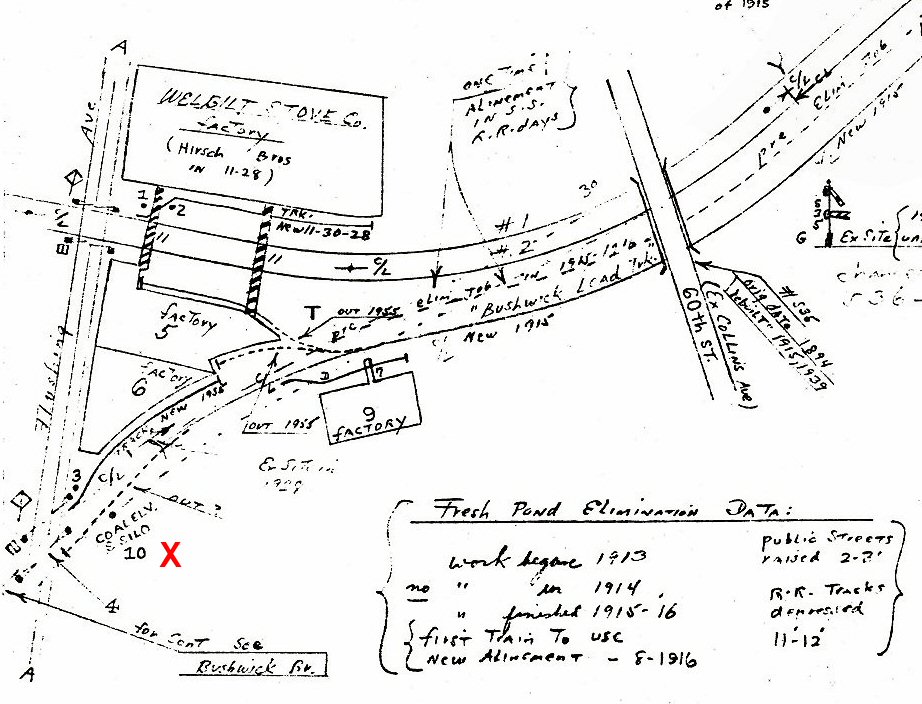
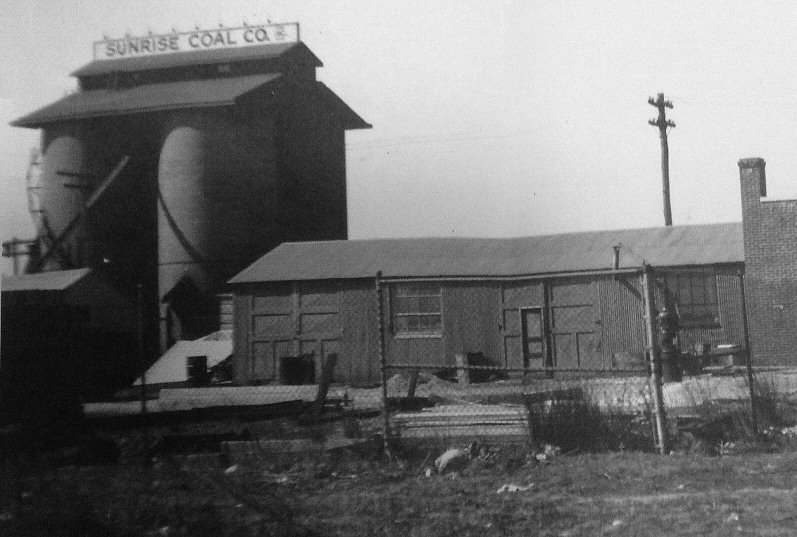
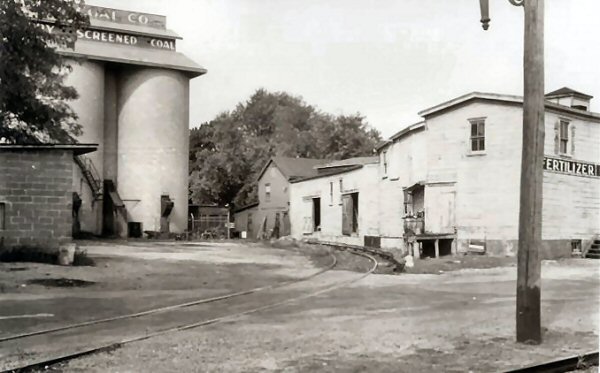
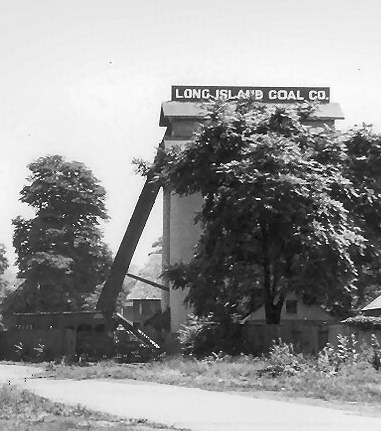
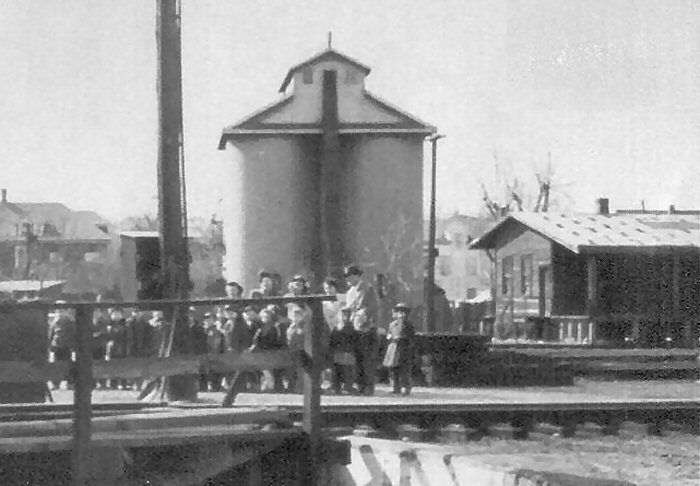
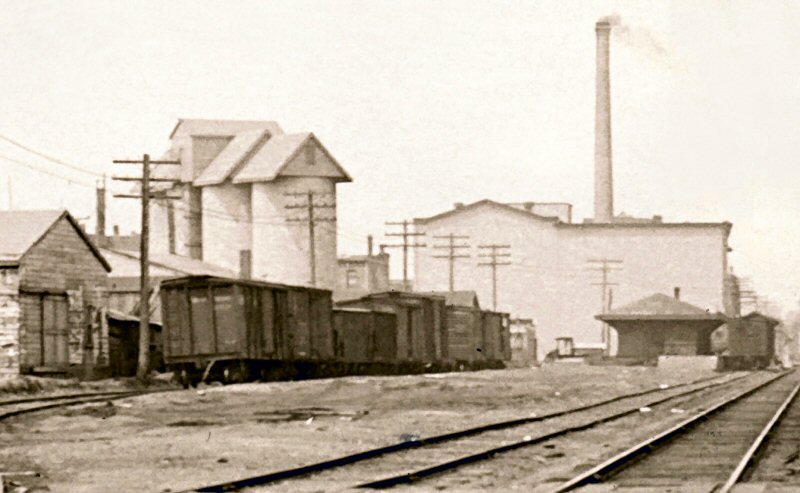
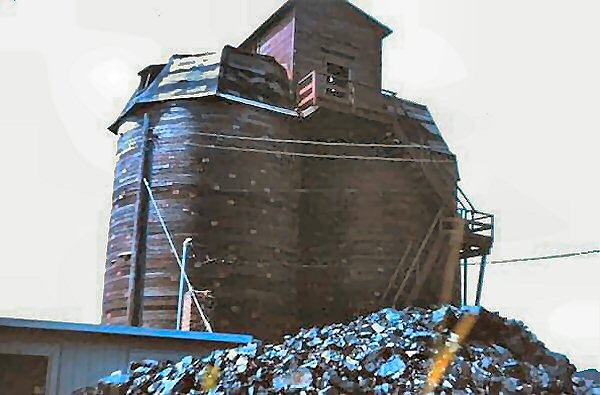
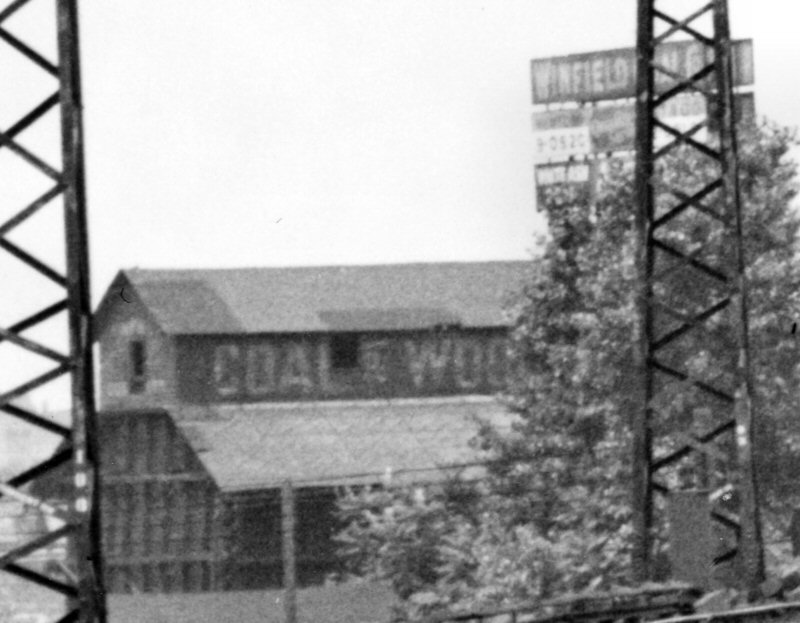
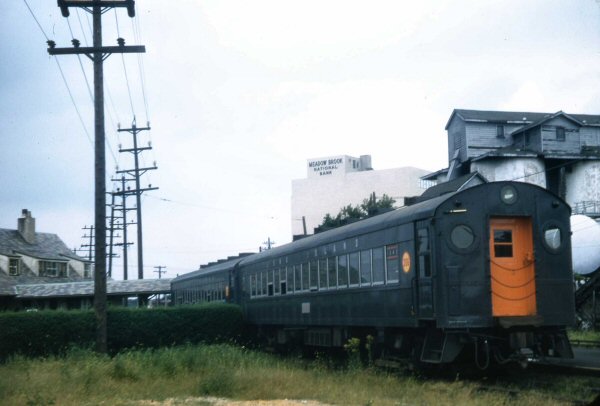
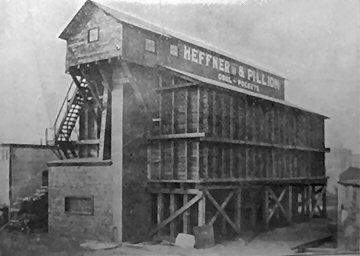
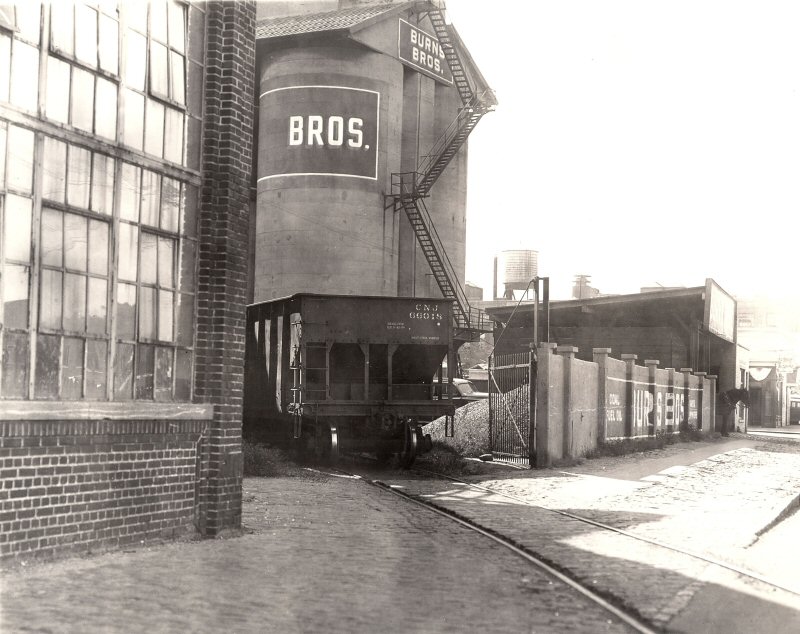
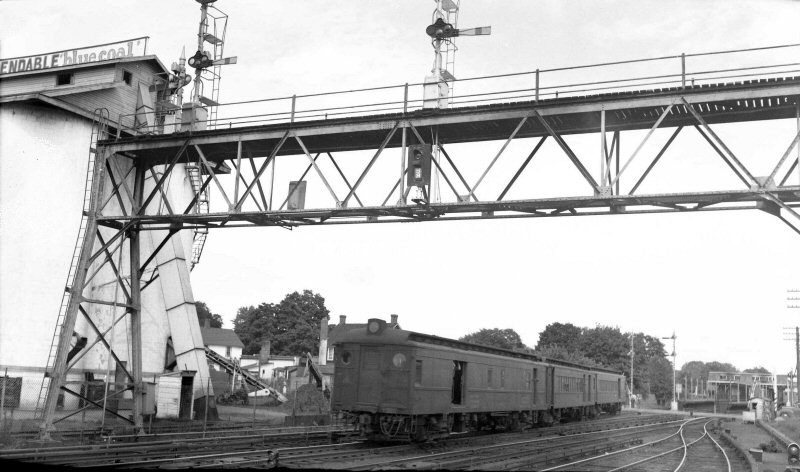
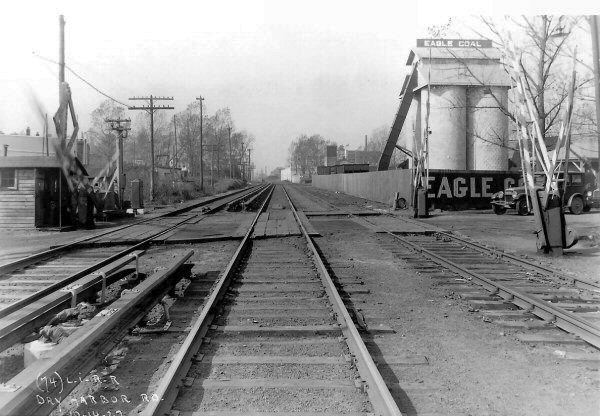
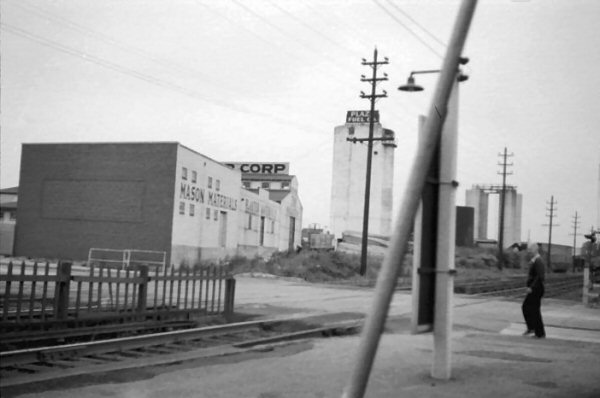
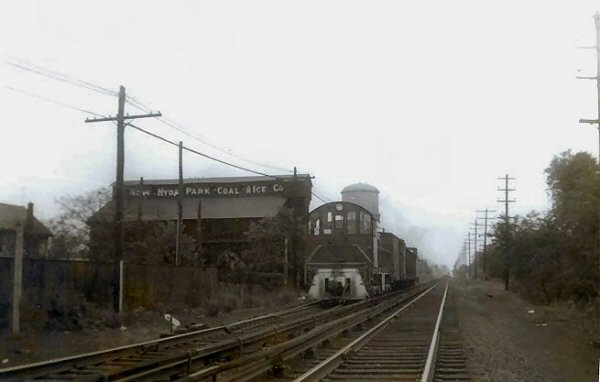
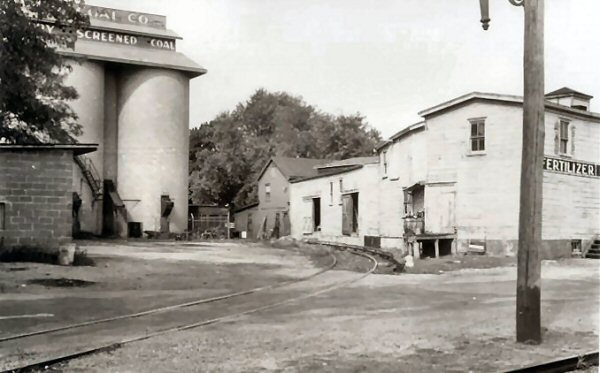
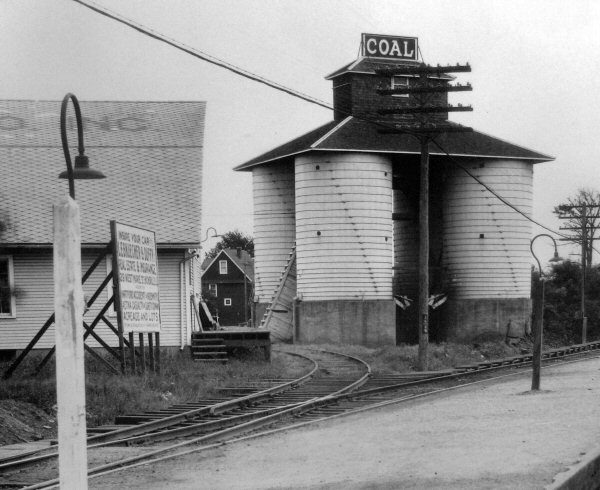
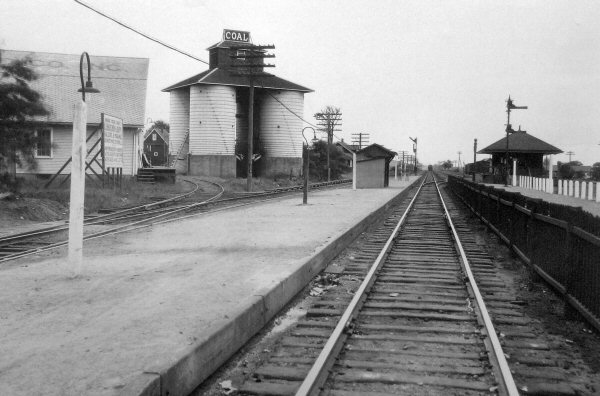
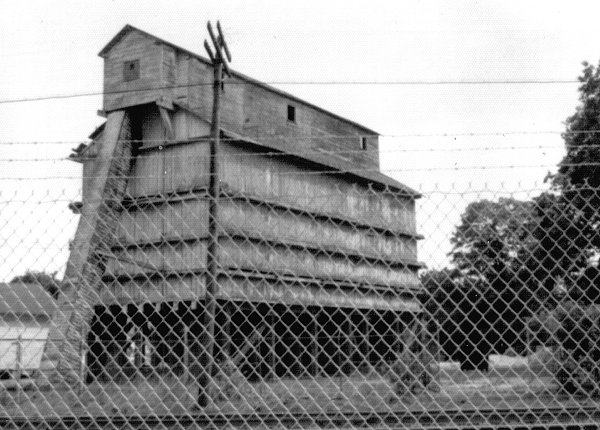
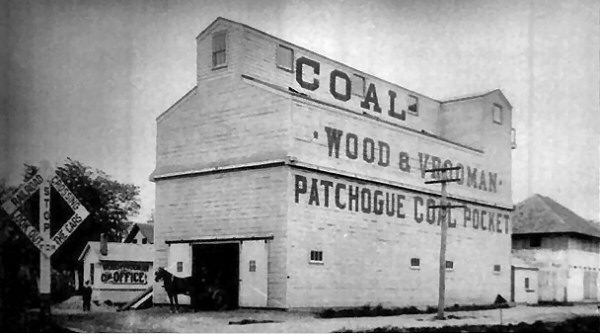
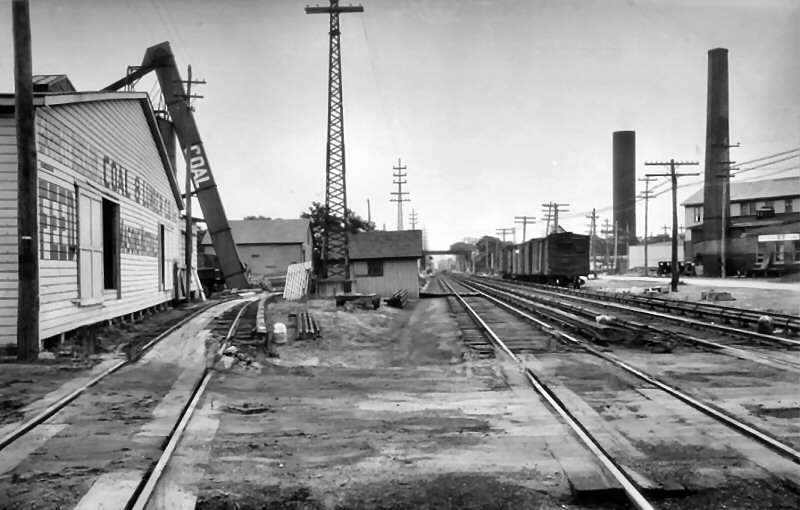
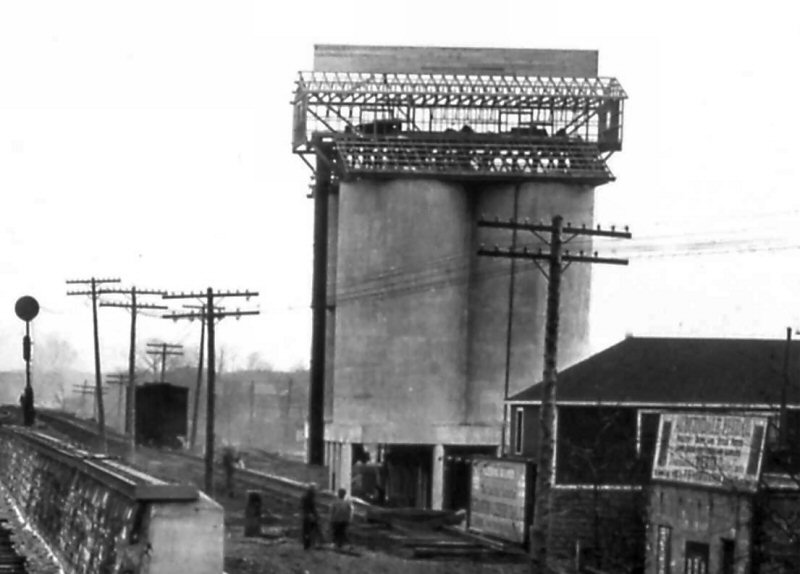
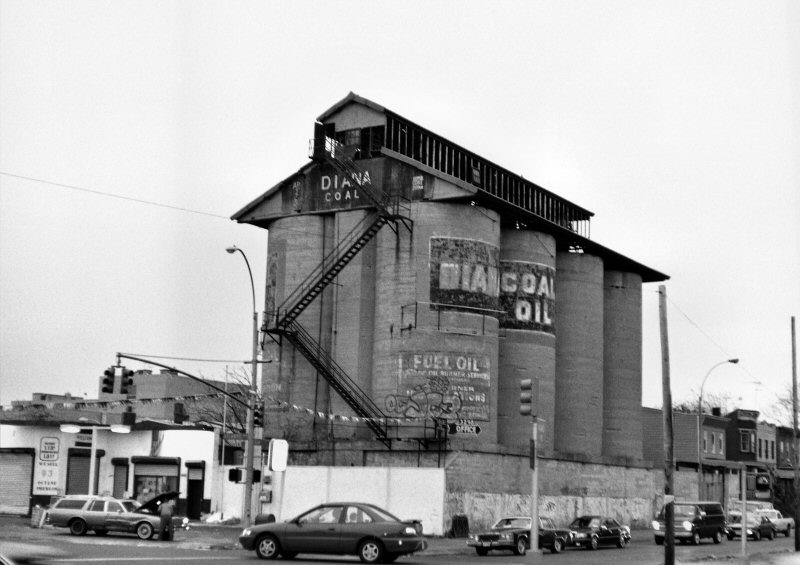
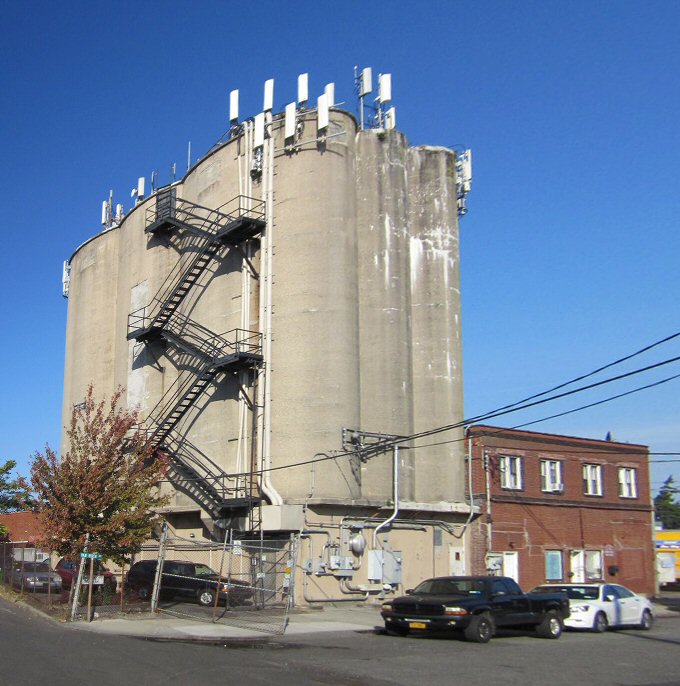
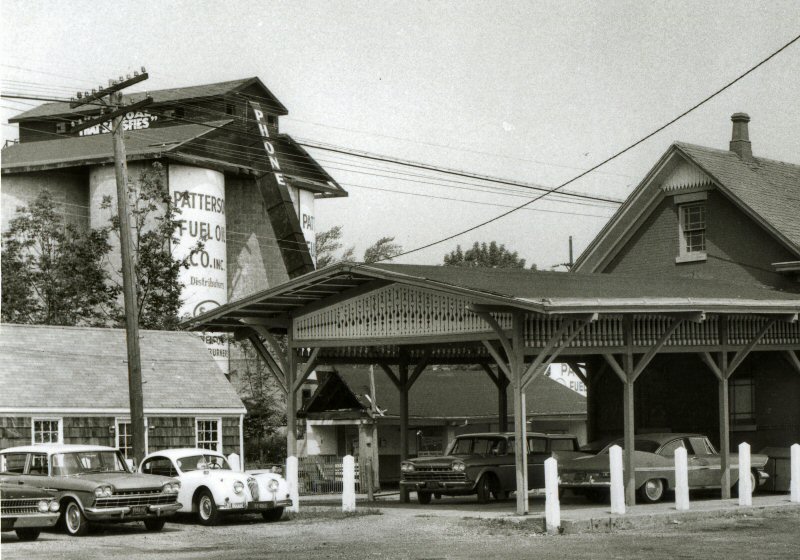
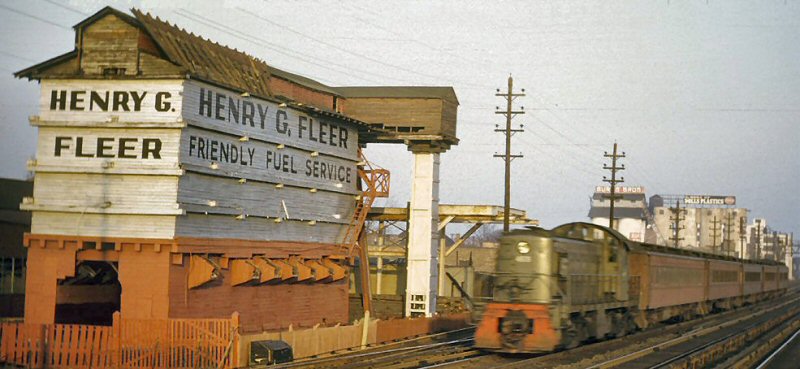
LIRR Coal Operations by Jim Guthrie Essentially, each silo was filled with different sizes and types of coal. Most domestic users preferred anthracite, because it made far less smoke. But some found Coke very useful, and some bituminous. The latter had other storage problems, including the penchant for spontaneous combustion in certain circumstances. The switch to concrete was in part because of this -- there are some interesting accounts of coal pockets burning over the years -- especially older types like the facility pictured.
Many coal retailers were also in the ice business (and some had started out in wood and lumber). Obviously, coal was bigger in the fall and winter, ice was bigger in spring and summer -- but both had some year 'round business to keep delivery wagons and employees busy all year. Ice was also a very important LIRR freight commodity, and deserves a page on its own, I think. Knickerbocker Ice had several storage plants, for example. I vaguely remember an ice house in Smithtown when I was a kid -- at the end of the stub siding off the freight siding on the south side of the east end of the station platform. I'm not sure which was more interesting [and in either case, we'll never see again] but a burning coal dealer, where the coal glowed for weeks no matter the efforts of the fire department, or the burning [full] ice house, which went quickly because straw was used as insulation, leaving a 3-4 story block of ice that took weeks to melt. Further,
the anthracite (and coke and bituminous wholesalers and distributors) tried
product differentiation/branding -- so in the early days, anthracite might
be sold as "Free Burning White Ash" or "Lehigh Red Ash"
or some such; some had catch phrases like [The
D&H's Hudson Coal Company colored their anthracite silver in the 1950s,
although the D&H had pretty much pulled out of the entire NYC area
before WWI. But when DL&W and Hudson merged around 1960, they sold both
"Blue" and "Silver" anthracite for awhile, and it
appears that a few dealers on In any case, there were a variety of sizes for home use -- Egg, Chestnut (or nut), Pea and Buckwheat were especially popular -- the latter generally cheaper than the larger sizes, but generally less efficient as well. If a customer wanted Chestnut, they didn't want Buckwheat <g>. The concrete silos became especially popular after World War I, but there were a variety of designs and manufacturers and builders of these things. In
general, you see some sort of lift conveyance that brings coal to the top
from beneath the coal hopper of space beneath the track. Coal would be
dumped into the top of the silo -- but inside there might be some sort of
spiral chute, because you did not want the coal shattering when dropped from
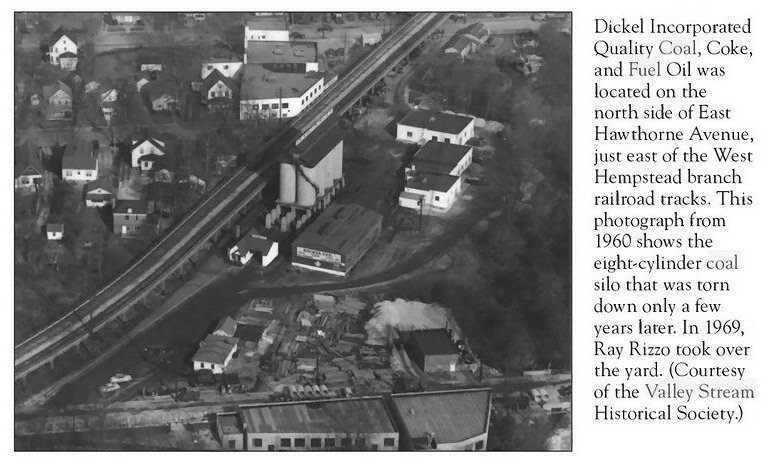
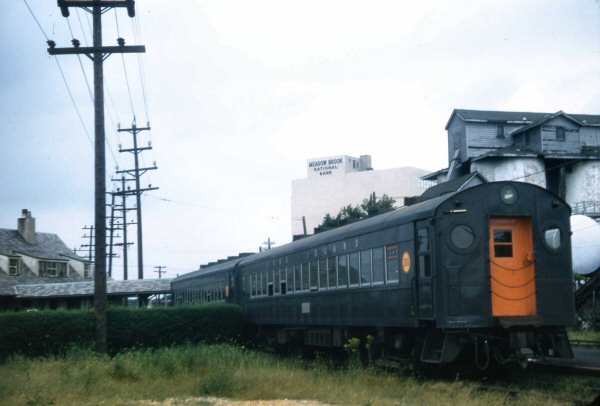
a We see in some of the later pictures, the lifting device is no longer installed, because the silos are no longer used, which leaves how they worked something of a mystery to those who only saw these at the very end. Just a side note: Most consumers HATED their coal dealers, because they always thought they were getting cheated. It's hard to confirm the measure of coal purchased (and put in the cellar via a chute off the coal delivery truck) -- Who's to say that "ton" was really 2,000 pounds or maybe 1700 pounds? The "exact" measurement of oil from an oil delivery truck (and county bureaus of weights and measures to confirm their accuracy) is a legacy of that era in many ways, and is one of the major reasons people switched to oil the moment it became available. The other reason was that the coal furnace was either on or off -- burning anthracite or not. Oil was "instant on" and "instant off" -- which was another advantage. You usually see a chute partway up the silos (or what looks like a boarded up window after the silo was no longer used <g>).. That's where trucks were loaded to make their deliveries. The wooden storage buildings like the Heffner would have a place for carts (later trucks) to unload beneath each bin. There were also concrete versions of this -- big oblong buildings similar to those made of wood. There are lots of variations on a theme. Some of these outfits used open air storage -- simply with a trestle -- and maybe had trucks pull up under the trestle and have coal loaded directly. More often, the coal would be dumped below the trestle, and a portable loader put into the coal pile to lift it and dump it into nearby trucks. Dieckel on the West Hempstead Branch seemed to take "live" real time deliveries after the Valley Stream Grade Crossing Elimination eliminated their siding -- another variation -- and perhaps unique. Can someone confirm that? The
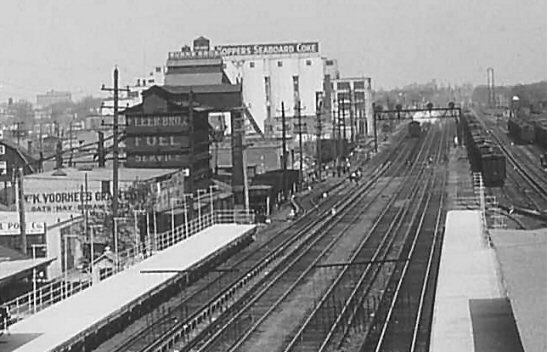
busiest coal route on the LIRR was apparently between the Kopper's Coke
Plant near Maspeth and There was probably more tonnage in the early twentieth century than the rest of the railroad combined. I'm not clear on the actual movements, but this is shown as a major coal volume route in places like USRA documents, for example. Coke
of course is "cooked" coal -- which led to all manner of dirty air
complaints, and is one of the leading reasons for Superfund Sites today
(Coal Gas being another one, and coal to coal gas plants on Long Island were
probably more important in volume than even the State Hospitals, but I
digress). Kopper's was a major Coke plant for the NY Area -- and some even
went to New England, mostly via barges and schooners from the big Sprague
plant just north of the Two
other things are important to understand: The anthracite railroads **hated**
to see cars go off line -- so few did (despite railfan mythology about
carfloats and the The
other thing to remember is that a substantial amount of anthracite was
delivered in boxcars - both loose and in bags. Companies like Not everyone had room for a big coal bin in the cellar, and others could not afford to buy tons of coal at a time. One could purchase a 50-LB bag of coal at most corner grocers, or even have bags delivered. In short -- you're not just looking at hoppers when you're looking at domestic coal. Most of this is pretty much antediluvian stuff, as many of us remember the silos from the tail end of the anthracite/coal domestic use era, plus the hospitals of course but have little grasp of what coal -- especially anthracite -- meant to the area. Hope this [now way too long] note helps flesh out the story, and gets some thinking going. Cheers, Jim Guthrie |
||||||||||||||||||||||||||||||||||||||||||||||||||||||||||||||||||||||||||||||||||||||||||||||||||||||||||||||||||||||||||||||||||||||||||||||||||||||||||||||||||||||||||||||||||||||||||||||||||||||||||||||||||||
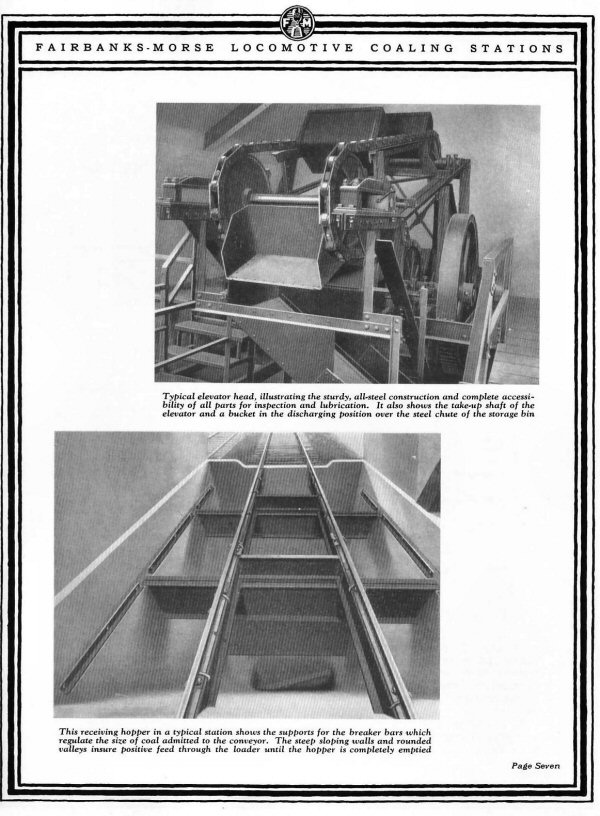
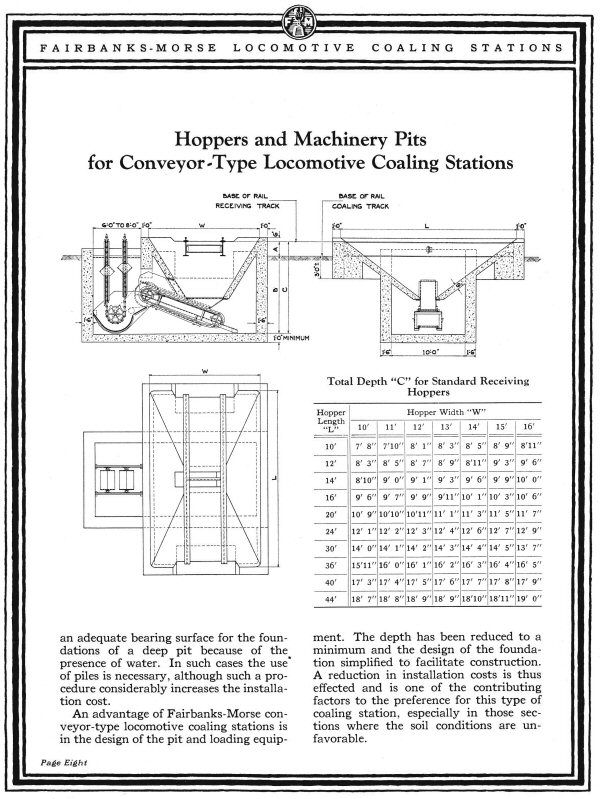 F-M Conveyor Type Locomotive Coaling Stations Data Sheet Reprint 1930's F-M Catalog Info: John McCluskey |
|
|||||||||||||||||||||||||||||||||||||||||||||||||||||||||||||||||||||||||||||||||||||||||||||||||||||||||||||||||||||||||||||||||||||||||||||||||||||||||||||||||||||||||||||||||||||||||||||||||||||||||||||||||||
|
Request: Searching for a schematic diagram showing the operation of the coal silos that once were all over Long Island. From my understanding, the coal was dumped from the bottom of the coal hoppers into bins below the track. From there an bucket escalator device would bring the coal up to the top of the silo structure where it was dumped into the silos. Anyone with a schematic diagram showing this operation, please contact: Coal Research |
||||||||||||||||||||||||||||||||||||||||||||||||||||||||||||||||||||||||||||||||||||||||||||||||||||||||||||||||||||||||||||||||||||||||||||||||||||||||||||||||||||||||||||||||||||||||||||||||||||||||||||||||||||
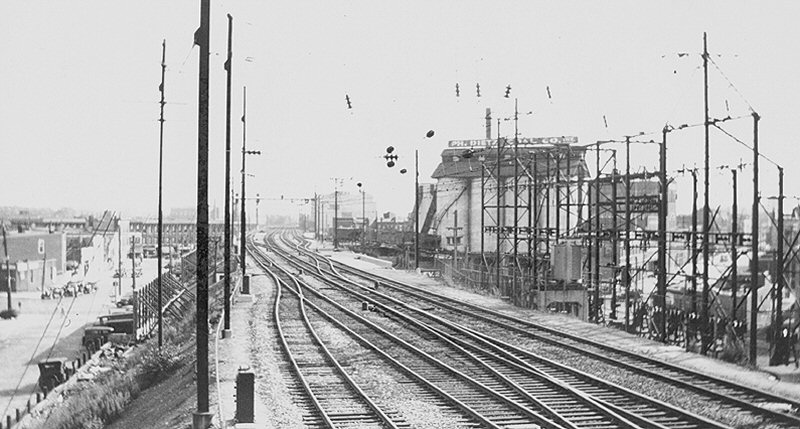
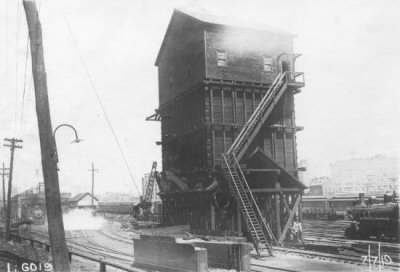 Wheelspur Yard, LI City 07/17/1919 Collection: Dave Morrison
|
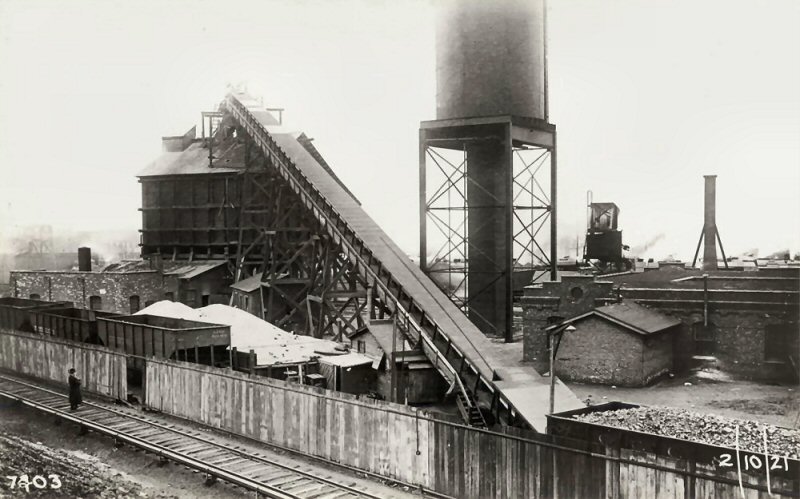
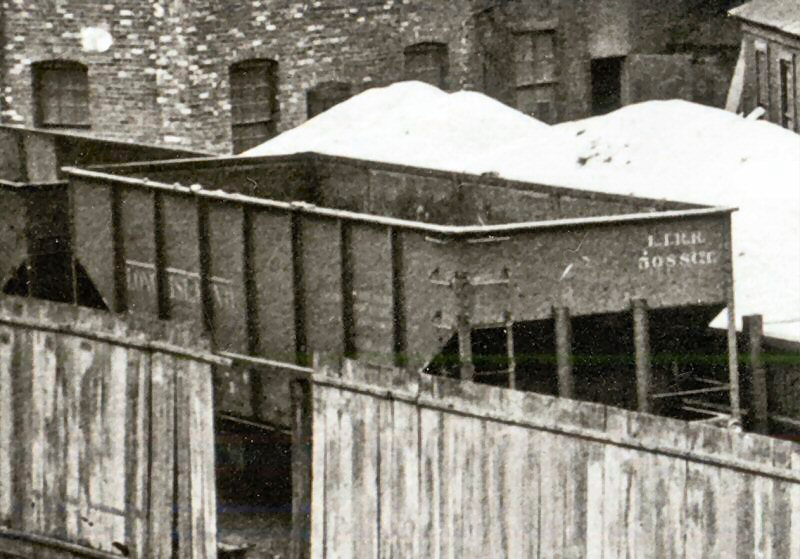
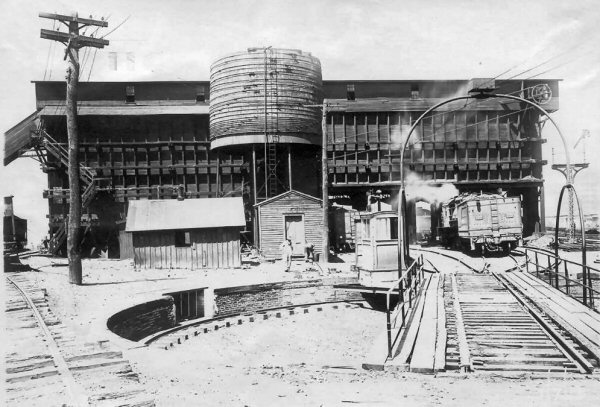 Wheelspur Yard, LI City 1921 view W
|
|
||||||||||||||||||||||||||||||||||||||||||||||||||||||||||||||||||||||||||||||||||||||||||||||||||||||||||||||||||||||||||||||||||||||||||||||||||||||||||||||||||||||||||||||||||||||||||||||||||||||||||||||||||
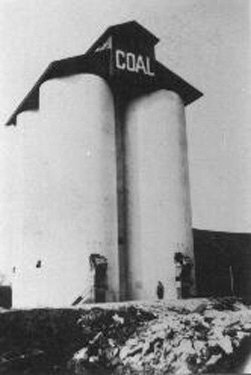 Syosset Coal
|
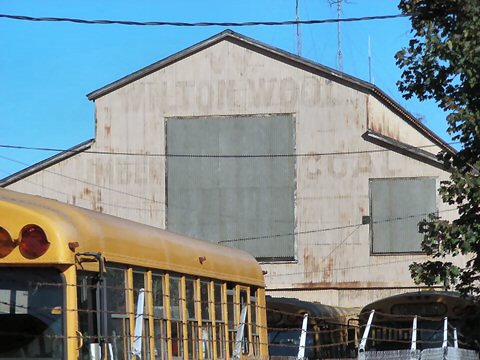
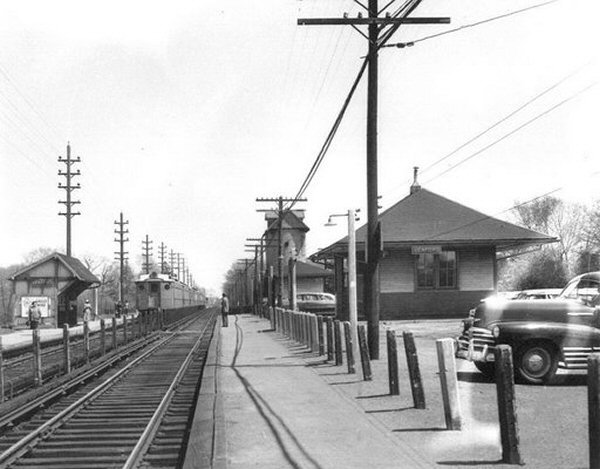 E. M. Pettit Fuel silos at right 1957 Seaford Collection: Dick Pettit 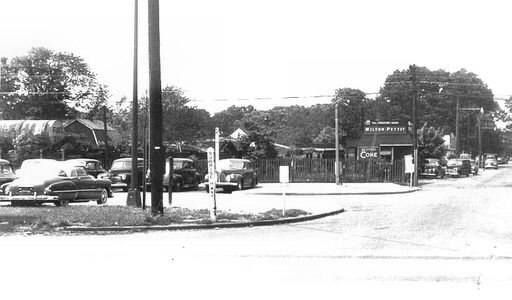 Milton Pettit Fuel, Sunrise Hwy and Hewlett Ave, late 1940's Merrick Collection: Dick Pettit
|
|
||||||||||||||||||||||||||||||||||||||||||||||||||||||||||||||||||||||||||||||||||||||||||||||||||||||||||||||||||||||||||||||||||||||||||||||||||||||||||||||||||||||||||||||||||||||||||||||||||||||||||||||||||
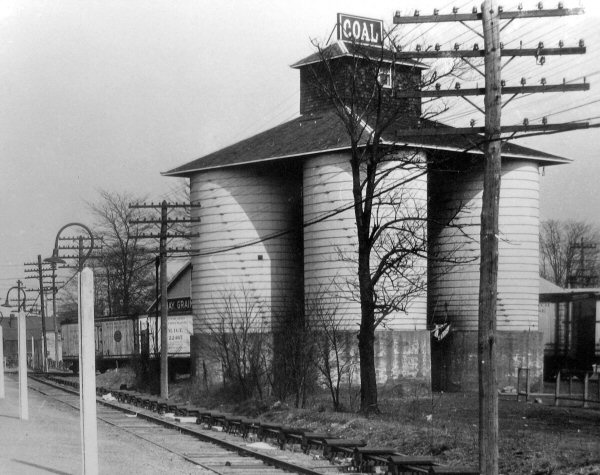 Hicksville Coal 05/06/1932
|
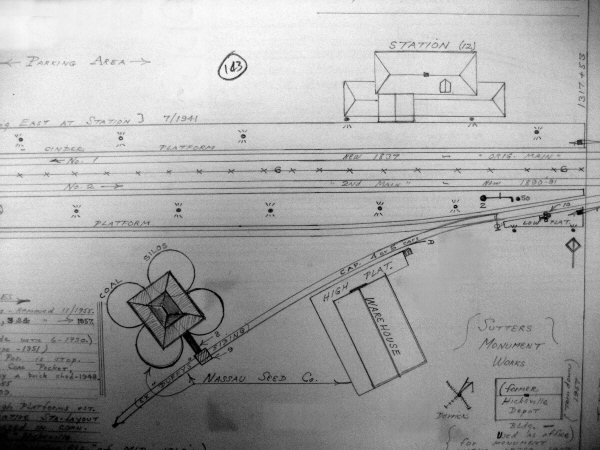 Hicksville Coal Map 1940 Emery
|
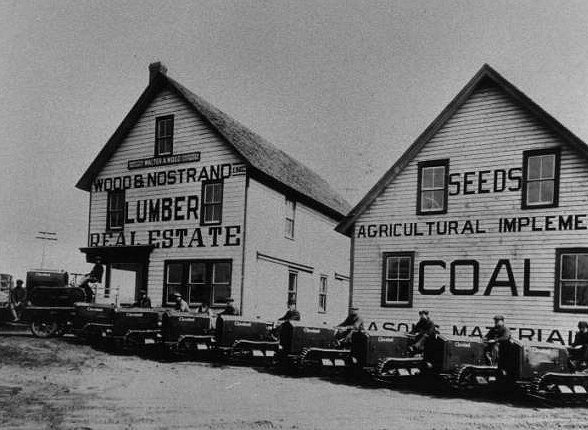 Wood & Nostrand Inc. Just east of railroad station on the south side of the tracks Farmingdale, c.1920 R. Emery map: Siding installed in 1924. Archive: Dave Keller
|
||||||||||||||||||||||||||||||||||||||||||||||||||||||||||||||||||||||||||||||||||||||||||||||||||||||||||||||||||||||||||||||||||||||||||||||||||||||||||||||||||||||||||||||||||||||||||||||||||||||||||||||||||
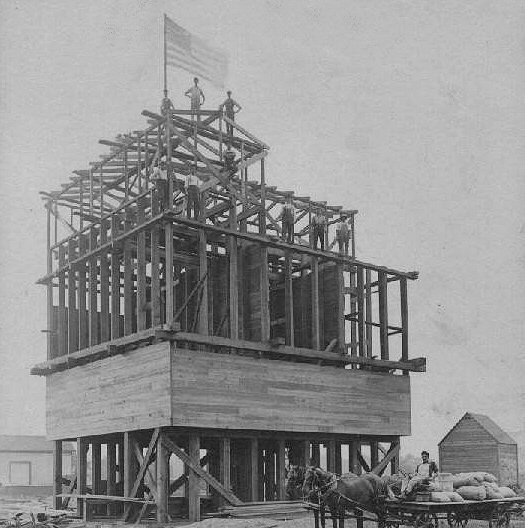 Now a parking lot, this coal receiving station was located just north of the railroad station. The coal was used to fuel the state university power plant. Farmingdale Archive: Farmingdale Bethpage Historical Society, LI Digital Book Project, Farmingdale Public Library |

Starlight Fuel Company Lexington Ave Schneider Lane, Bethpage Archive: Bob & Coleen Albertson |
|
||||||||||||||||||||||||||||||||||||||||||||||||||||||||||||||||||||||||||||||||||||||||||||||||||||||||||||||||||||||||||||||||||||||||||||||||||||||||||||||||||||||||||||||||||||||||||||||||||||||||||||||||||
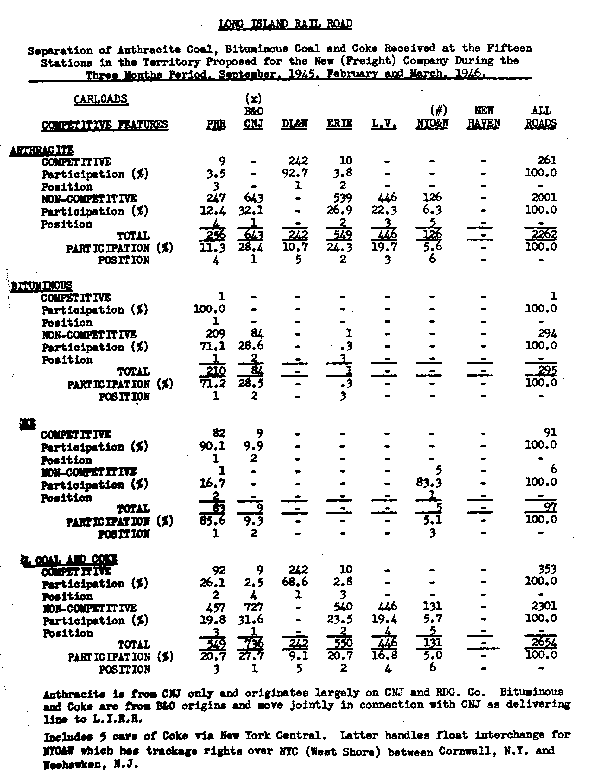
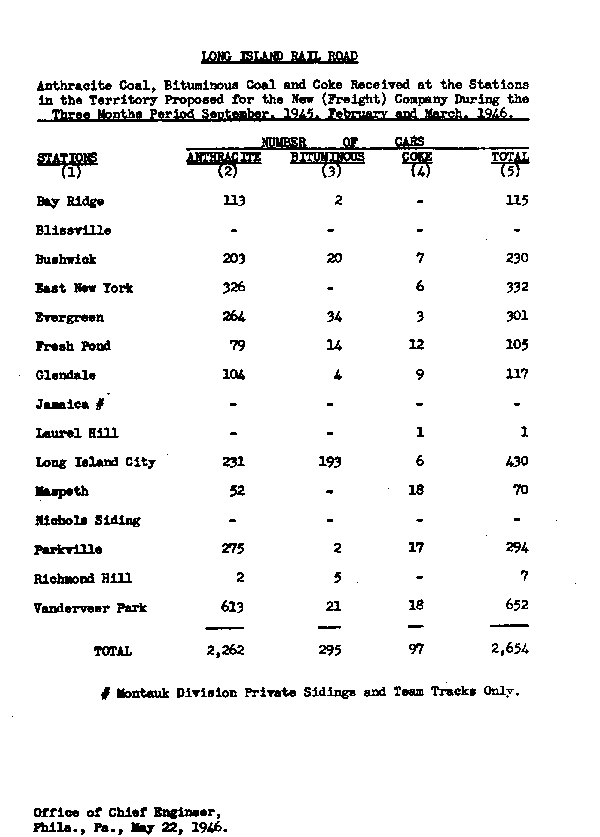 LIRR Coal Loads Received 1945
|
|
|
||||||||||||||||||||||||||||||||||||||||||||||||||||||||||||||||||||||||||||||||||||||||||||||||||||||||||||||||||||||||||||||||||||||||||||||||||||||||||||||||||||||||||||||||||||||||||||||||||||||||||||||||||
|
LIRR Coal Operations Remains |
||||||||||||||||||||||||||||||||||||||||||||||||||||||||||||||||||||||||||||||||||||||||||||||||||||||||||||||||||||||||||||||||||||||||||||||||||||||||||||||||||||||||||||||||||||||||||||||||||||||||||||||||||||
|
|
|
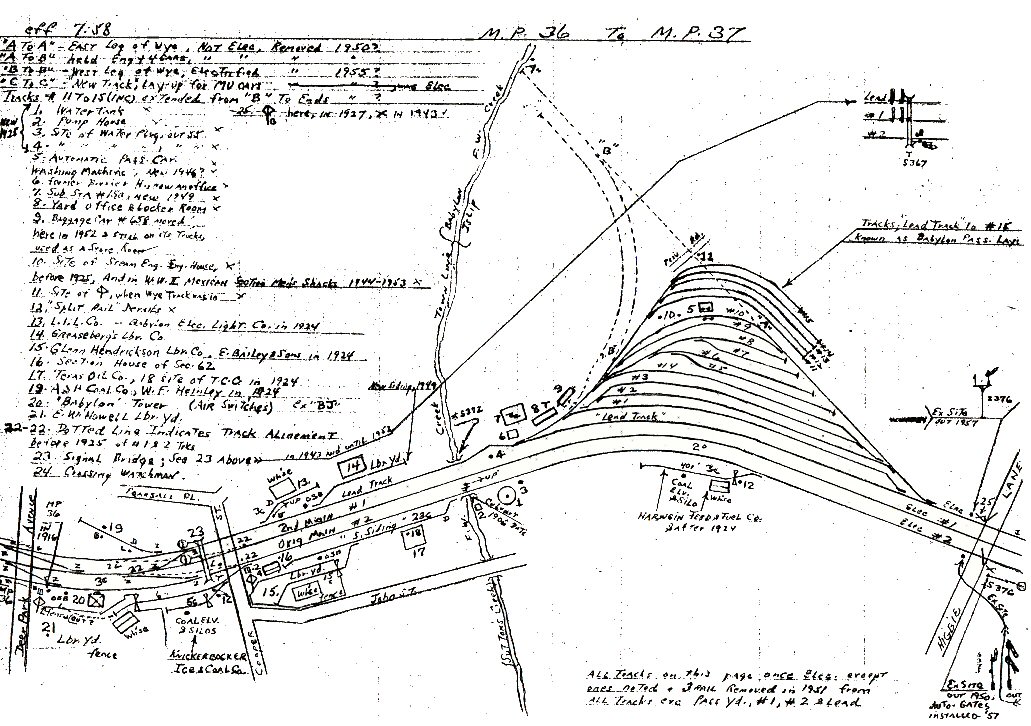
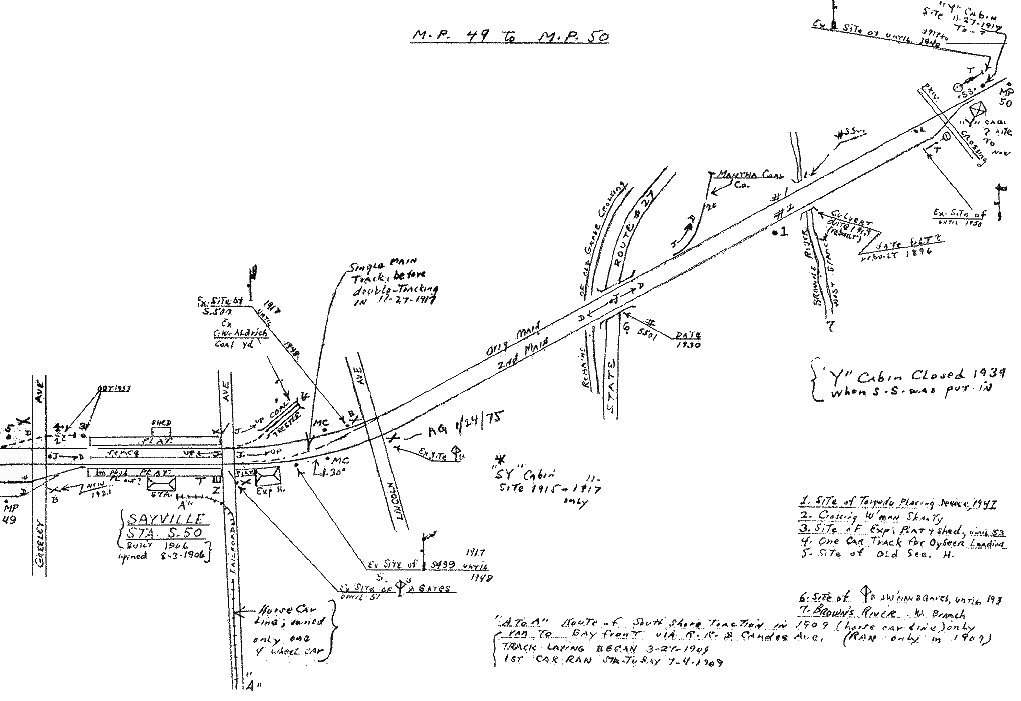 1958 R. Emery map Sayville MP49-50 Archive: Dave Keller |
||||||||||||||||||||||||||||||||||||||||||||||||||||||||||||||||||||||||||||||||||||||||||||||||||||||||||||||||||||||||||||||||||||||||||||||||||||||||||||||||||||||||||||||||||||||||||||||||||||||||||||||||||
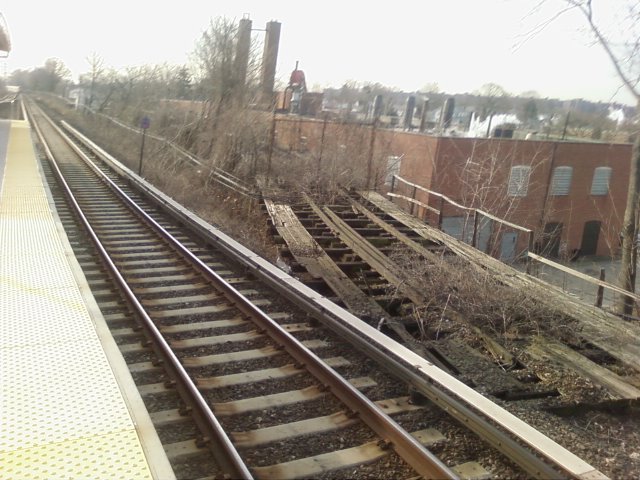
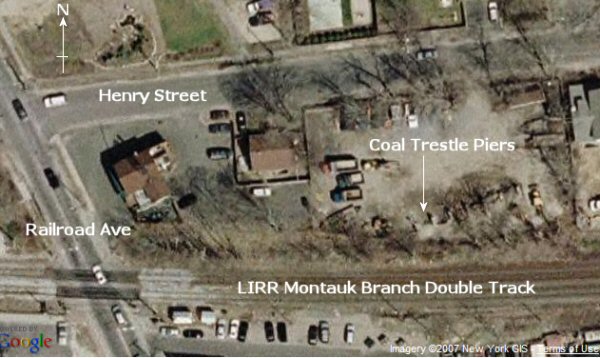 Sayville: C. W. Aldrich Coal Yard Trestle Piers 2007 Info: 1958 R. Emery map, Archive: Dave Keller |
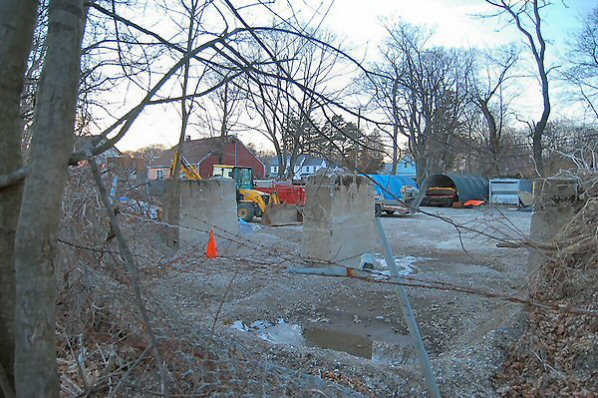 Ex-C. W. Aldrich Coal Yard Sayville view N 02/1708 Photo: Mike McDermet |
 Ex-C. W. Aldrich Coal Yard Sayville view S 02/1708 Photo: Mike McDermet |
||||||||||||||||||||||||||||||||||||||||||||||||||||||||||||||||||||||||||||||||||||||||||||||||||||||||||||||||||||||||||||||||||||||||||||||||||||||||||||||||||||||||||||||||||||||||||||||||||||||||||||||||||
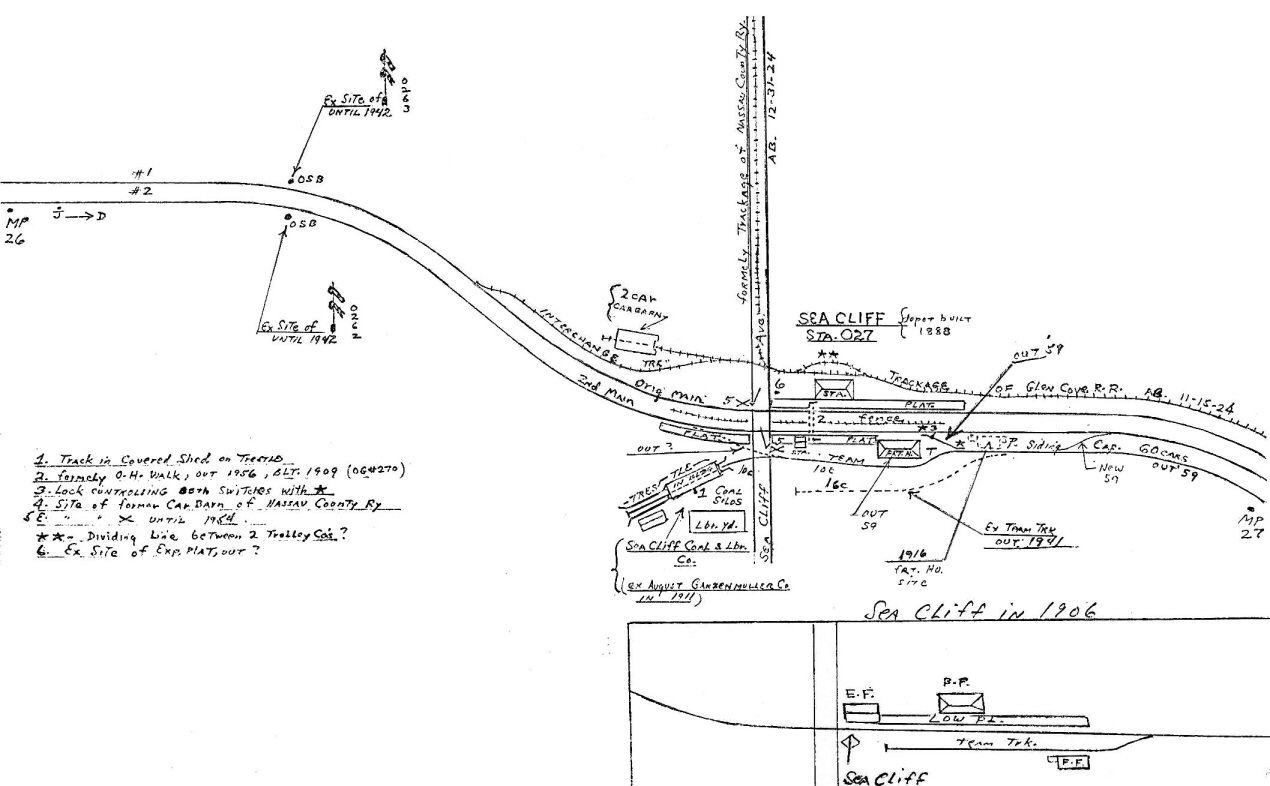 1958 R. Emery map Sea Cliff MP29-27 Archive: Dave Keller |
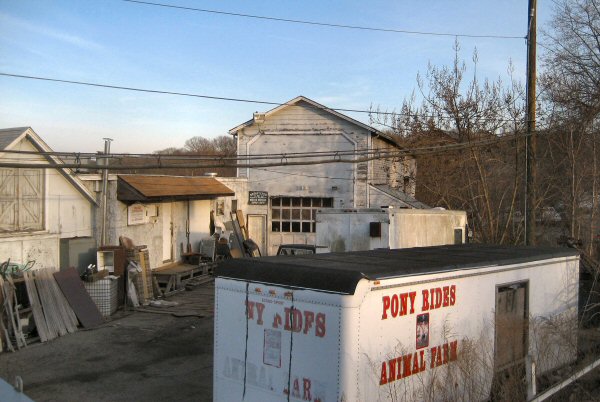 Sea Cliff Coal & Lumber Shed located west of the crossing and south of OBY Track 2, 04/08/2008 Photo: Joseph Vila |
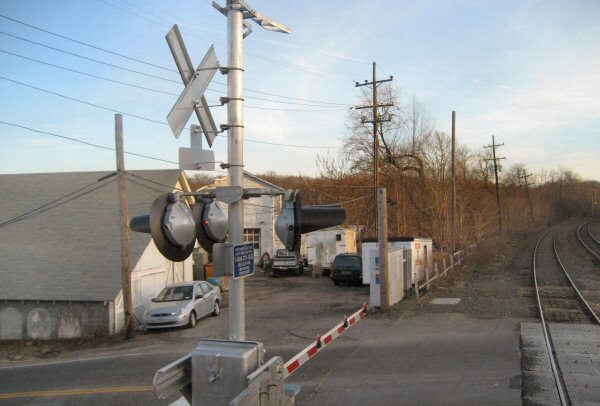 Sea Cliff Coal & Lumber East of the crossing just before the H-L platform 04/08/2008 Photo: Joseph Vila |
||||||||||||||||||||||||||||||||||||||||||||||||||||||||||||||||||||||||||||||||||||||||||||||||||||||||||||||||||||||||||||||||||||||||||||||||||||||||||||||||||||||||||||||||||||||||||||||||||||||||||||||||||
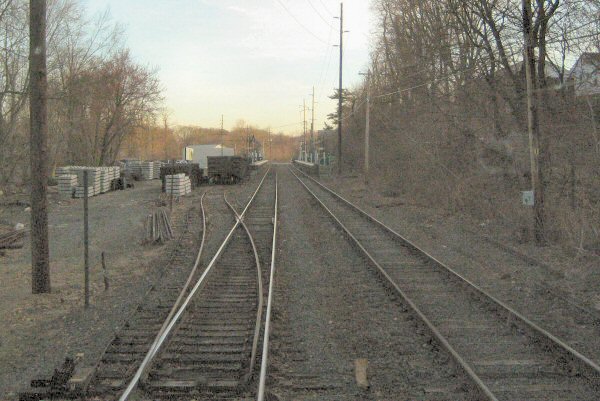 Sea Cliff Coal & Lumber View West towards Sea Cliff Ave Station south of OBY Track 2. 04/08/08 Photo: Joseph Vila |
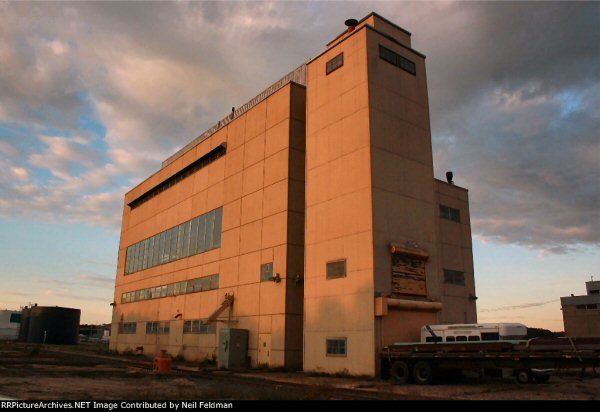 View NE of the ex-siding in front of Grumman Aviation Co. Peconic River Plant. Grumman at MP67-68 Photo: Neil Feldman |
|||||||||||||||||||||||||||||||||||||||||||||||||||||||||||||||||||||||||||||||||||||||||||||||||||||||||||||||||||||||||||||||||||||||||||||||||||||||||||||||||||||||||||||||||||||||||||||||||||||||||||||||||||
|
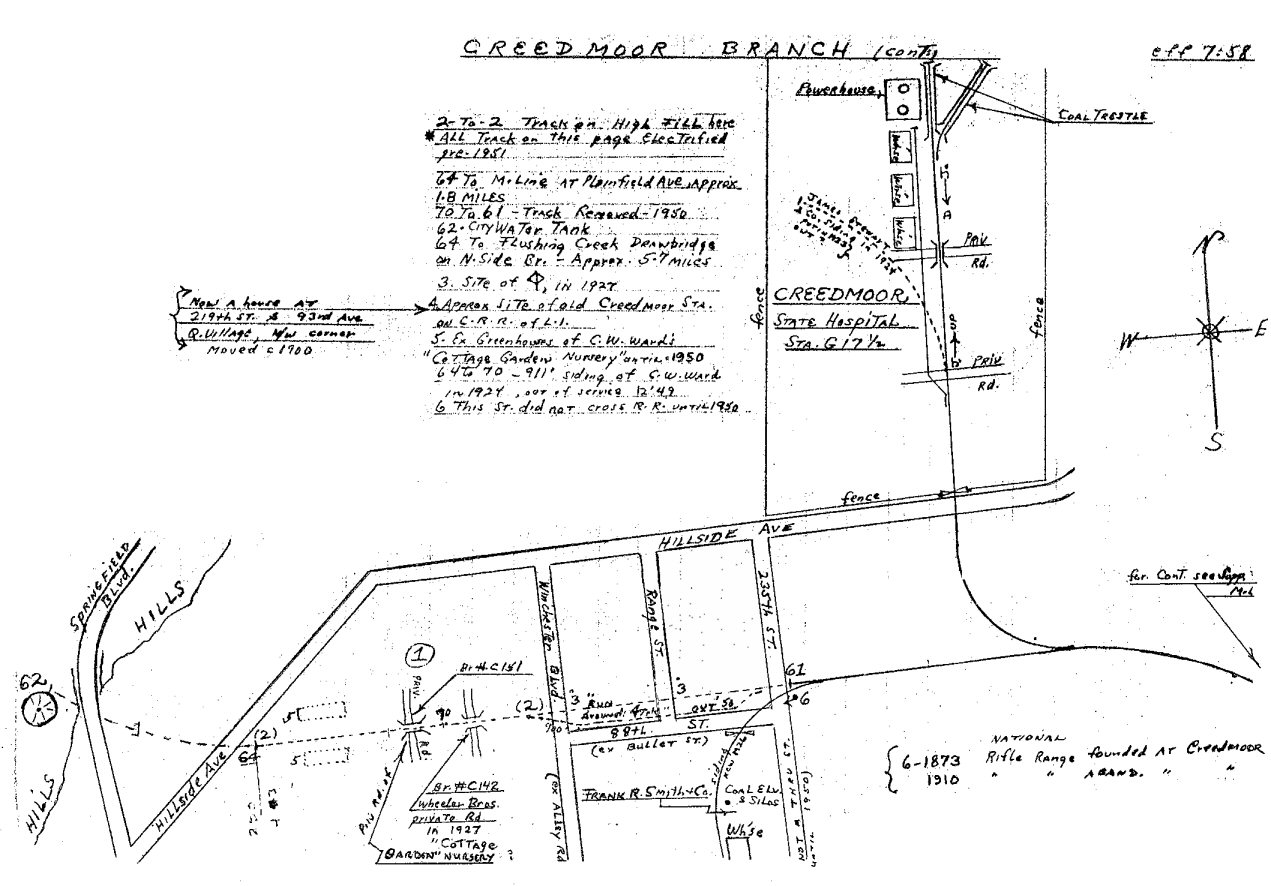
Moving Coal by Prayer by Mark Smith (Retired LIRR Locomotive Engineer) "...The L.I.R.R. was not a big coal hauler as to operating unit coal trains as many large roads did. We did haul a lot of coal in lots to three state hospitals by local freight jobs that worked the lines the hospitals were located on. We did not have heavy, long grades but many places did have short, steep grades requiring careful handling to get over the road. These coal docks were all up on trestle where cars could be unloaded by opening the hoppers. One dock at Kings Park was at the bottom of a steep grade and was a scary move for all concerned every time it was switched...." |
||||||||||||||||||||||||||||||||||||||||||||||||||||||||||||||||||||||||||||||||||||||||||||||||||||||||||||||||||||||||||||||||||||||||||||||||||||||||||||||||||||||||||||||||||||||||||||||||||||||||||||||||||||
|
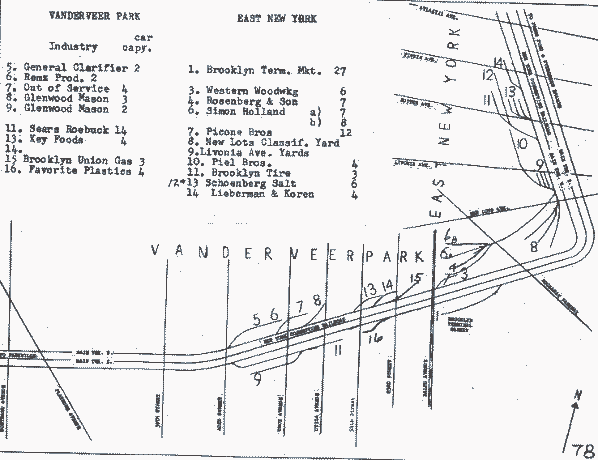
East NY Industrial Park serviced by the Bay Ridge Line
|
||||||||||||||||||||||||||||||||||||||||||||||||||||||||||||||||||||||||||||||||||||||||||||||||||||||||||||||||||||||||||||||||||||||||||||||||||||||||||||||||||||||||||||||||||||||||||||||||||||||||||||||||||||
|
Switching the
Coal at Island Park by
JJ Earl |
||||||||||||||||||||||||||||||||||||||||||||||||||||||||||||||||||||||||||||||||||||||||||||||||||||||||||||||||||||||||||||||||||||||||||||||||||||||||||||||||||||||||||||||||||||||||||||||||||||||||||||||||||||
|
LIRR 1950
Freight Car Loads Prototype Info for Modeling |
||||||||||||||||||||||||||||||||||||||||||||||||||||||||||||||||||||||||||||||||||||||||||||||||||||||||||||||||||||||||||||||||||||||||||||||||||||||||||||||||||||||||||||||||||||||||||||||||||||||||||||||||||||
|
||||||||||||||||||||||||||||||||||||||||||||||||||||||||||||||||||||||||||||||||||||||||||||||||||||||||||||||||||||||||||||||||||||||||||||||||||||||||||||||||||||||||||||||||||||||||||||||||||||||||||||||||||||
|
LIRR Coal Freight Car Locations |
||||||||||||||||||||||||||||||||||||||||||||||||||||||||||||||||||||||||||||||||||||||||||||||||||||||||||||||||||||||||||||||||||||||||||||||||||||||||||||||||||||||||||||||||||||||||||||||||||||||||||||||||||||




.jpg)



.jpg)



%20-%2004-08-1927%20(Sperr-Keller).jpg)




.jpg)
.jpg)
.jpg)